Torment: Tides of Numenera - A Deep Narrative Gem for BG3 Fans Seeking Story
Discover the unparalleled narrative depth and philosophical complexity of *Torment: Tides of Numenera*, a timeless RPG that masterfully prioritizes intellectual exploration over conventional combat.
It's 2026, and as a dedicated RPG enthusiast, I've spent countless hours exploring the rich worlds of modern masterpieces. Yet, I often find myself searching for experiences that match the intricate, character-driven depth that defined my journey through Faerûn. While many recent games offer thrilling combat and expansive landscapes, finding narratives with the same profound complexity and philosophical weight as Baldur's Gate 3 can be a challenge. Today, I want to champion a title that deserves far more recognition for its storytelling prowess: Torment: Tides of Numenera. It's an experience that prioritizes the mind over the sword, a game that feels more like a collaborative novel than a traditional adventure. Though it debuted nearly a decade ago, its themes and narrative density feel timeless and incredibly relevant for players looking to dive deep into questions of identity, legacy, and reality itself.
A Narrative Experience Like No Other
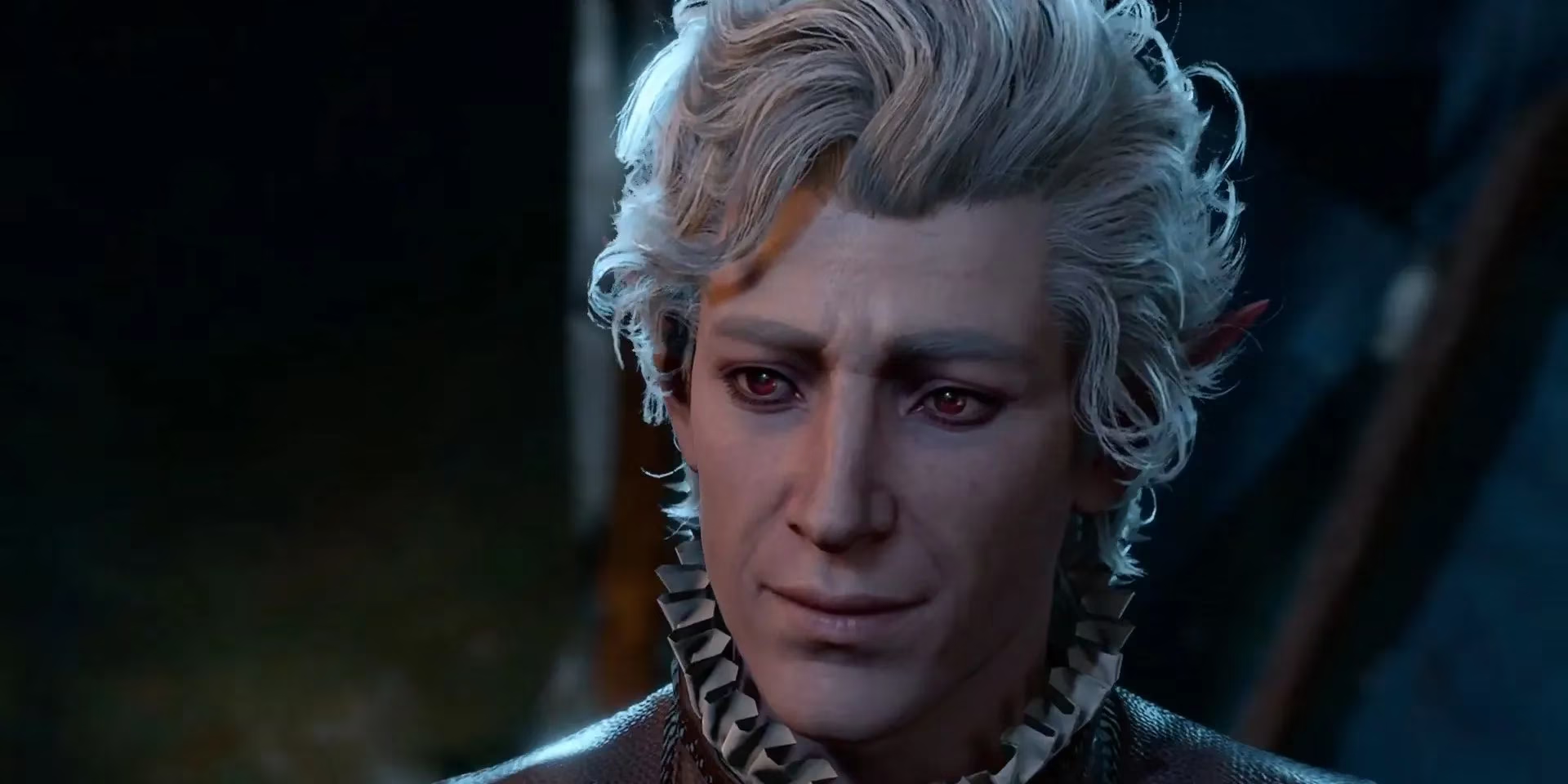
Let's be clear from the start: Torment: Tides of Numenera is not for everyone. If you're seeking the high-fidelity cinematic presentation, the expressive character animations, and the frequent, tactical combat encounters of Baldur's Gate 3, you might find yourself initially disoriented here. This is a game that proudly embraces its literary heritage. You will spend a significant amount of time reading—engaging with dense, beautifully written text that explores the bizarre, billion-year-old world of the Ninth World. The dialogue trees are deep, branching rivers of philosophical inquiry rather than simple persuasion checks. At times, it can feel less like playing a game and more like co-authoring a complex, speculative fiction novel. The connection you forge with the world is intellectual and imaginative, built word by word.
However, if you are the kind of player who found unraveling the secrets of Shadowheart's past or deciphering the Netherbrain's plot to be the core appeal of BG3, then this is your next must-play. The narrative in Tides of Numenera is its primary gameplay loop. You are the Last Castoff, a discarded body of a god-like being known as the Changing God, waking up with no memory. Your journey to discover your purpose—and whether you even have one—is fraught with moral quandaries that make the dilemma of the Emerald Grove seem straightforward. Every choice carries weight, not just in terms of narrative consequence, but in how it defines your character's philosophical alignment via the enigmatic Tides system.
Where Puzzles Replace Combat
This isn't to say the game is devoid of traditional gameplay. While combat is infrequent and often avoidable through dialogue or clever exploration, excellent puzzles more than make up for the de-emphasized combat. The game challenges your intellect and creativity in ways few RPGs dare. You'll solve conundrums that involve manipulating the very fabric of reality, bargaining with otherworldly entities, and using the bizarre Numenera—relics of past civilizations—in ingenious ways. Success is rarely about having the biggest sword, but about having the sharpest mind and the most compelling argument. This design philosophy creates a uniquely satisfying tension where a successful conversation feels as rewarding as winning a difficult boss fight in another game.
Here’s a quick comparison of the core experiential pillars between BG3 and Tides of Numenera:
| Feature | Baldur's Gate 3 (2023) | Torment: Tides of Numenera (2017) |
|---|---|---|
| Primary Focus | Cinematic storytelling & tactical combat | Literary narrative & philosophical exploration |
| Player Agency | Shaped through dice rolls, combat, and dialogue | Primarily shaped through dialogue, choices, and puzzle-solving |
| Pacing | Cyclical: exploration, combat, story beats | Contemplative: deep reading, conversation, discovery |
| World Tone | High Fantasy (Forgotten Realms) | Science Fantasy / Dying Earth (Ninth World) |
| Core Appeal | Emotional character arcs & epic scale | Intellectual depth & metaphysical questions |
The Legacy and Accessibility in 2026
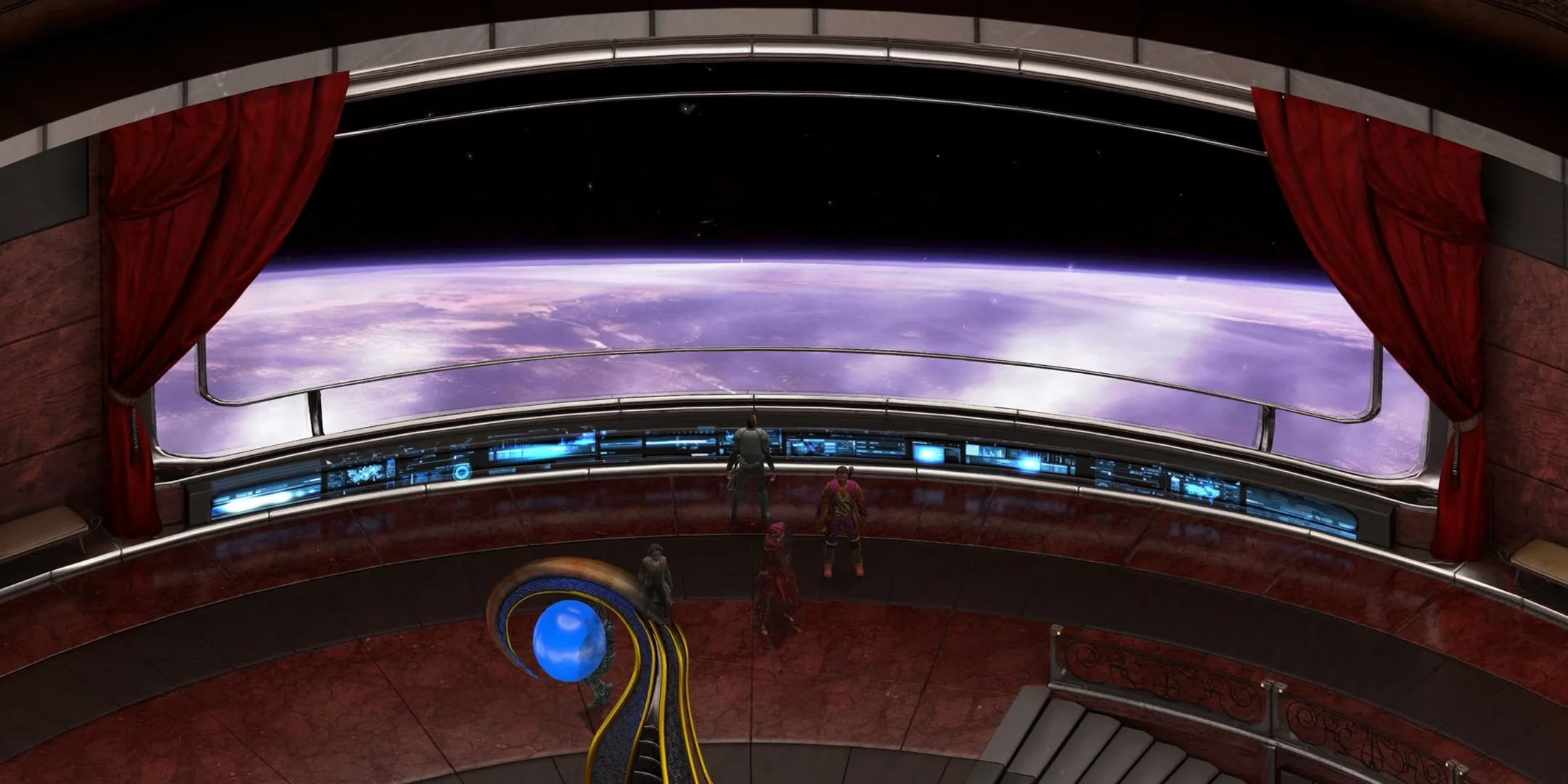
Tides of Numenera stands as a spiritual successor to the legendary Planescape: Torment, which remains a stone-cold classic of the CRPG genre. While playing the original enhances appreciation for certain themes, it is by no means a prerequisite. Tides of Numenera confidently builds its own unique, mind-bending universe—a landscape littered with the ruins of eight prior civilizations, where technology is indistinguishable from magic. It’s a setting that encourages wonder and constant discovery.
The best news for curious players in 2026 is accessibility. While the game is available for purchase on all major platforms, its inclusion in subscription services like Xbox Game Pass (and potentially others) makes it a risk-free endeavor. There’s no harm done if it doesn't click—you can simply move on. But for those who subscribe and value storytelling above all else, passing on this title would be a significant missed opportunity. It’s the perfect game to download on a whim and lose yourself in for an afternoon of pure, unadulterated narrative immersion.
Final Verdict: A Must for Story Devotees
A decade after its release, Torment: Tides of Numenera has aged not in its graphics or systems, but like a fine wine in its narrative resonance. It asks difficult questions about consciousness, mortality, and what it means to be a person in a universe that has forgotten you. Its strengths are profound:
-
🤔 A Deeply Philosophical Story: Engages with themes rarely touched in mainstream gaming.
-
💬 Dialogue as Gameplay: Conversations are puzzles, battles, and quests all in one.
-
🌌 A Uniquely Creative Setting: The Ninth World is one of the most original and intriguing settings in RPG history.
-
🎭 Meaningful Choice & Consequence: Your decisions tangibly affect the world and your character's nature.
In an era where games are often judged by their graphical fidelity or scale, Torment: Tides of Numenera is a bold reminder of the power of the written word and complex ideas. It won’t replace the thrilling, cinematic adventure of Baldur's Gate 3, but it stands proudly beside it as a complementary experience for the thoughtful player. If your favorite part of RPGs is getting lost in a good story, this is an essential journey. Don't let its text-heavy nature or its age deter you; within its pages of dialogue lies one of the richest narrative experiences the genre has to offer. It's high time it got the recognition it deserves.