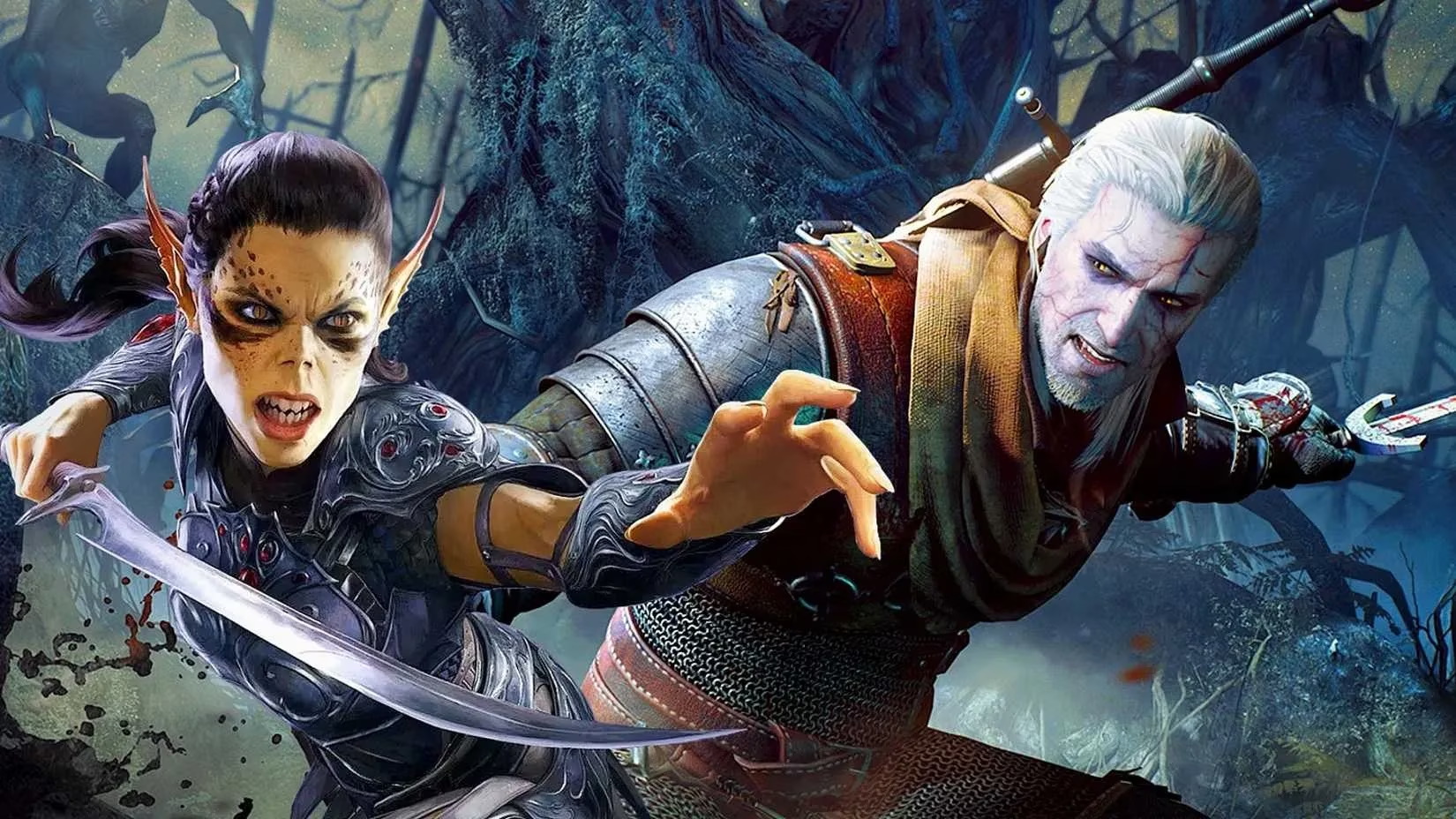
The Temptation of Power: A Player's Journey with Baldur's Gate 3's Illithid Abilities
In Baldur's Gate 3, the alluring Illithid Powers present a profound moral dilemma, offering seductive yet perilous psionic abilities that transform gameplay. This compelling system masterfully blends thrilling temptation with chilling consequences, creating an unforgettable narrative and tactical experience.
As a seasoned adventurer, I've faced countless perils, but nothing prepared me for the unique, gnawing choice presented in Baldur's Gate 3. It wasn't a choice of faction or a simple moral dilemma; it was a choice about my soul, offered in the form of a wriggling, ceremorphosis-inducing tadpole. The Illithid Powers, as we've come to know them by 2026, are more than just a skill tree—they are the game's central conflict made manifest. Each time I considered unlocking a new, shimmering node of psionic might, I felt a cold dread, a thrilling temptation. The game ensured I was always aware of the precipice I was peering over. Every ability was a seduction, every upgrade a flirtation with the monster I could become, a perfect, chilling fusion of theme and gameplay that has stayed with me long after the credits rolled.

From a purely mechanical standpoint, these powers are a game-changer, ranging from the utterly broken to the tragically niche. They distill the game's tactical depth into moments of pure power fantasy, but always with a shadow clinging to them.
The S-Tier Temptations: These are the abilities that make resisting the Absolute's whispers almost impossible. They are so potent they feel like cheating, and that's precisely the point.
-
Cull the Weak: This passive is a silent, efficient cleaner of battlefields. Watching weak enemies just... pop when their health gets low never gets old, and it fundamentally changes how you approach mob encounters.
-
Force Tunnel: An unparalleled escape and repositioning tool. In a game where positioning is life, being able to vanish from danger without consuming an action or bonus action is nothing short of miraculous.
-
Luck of the Far Realms: A guaranteed critical hit on demand. The tactical flexibility this offers for bursting down a key target is immense, and it's an offer I found myself unable to refuse in every major boss fight.
-
Freecast: The name says it all. Getting your next spell, no matter how costly, for free is a paradigm-shifting event every single time it recharges. It encourages bold, dramatic plays that define entire encounters.
The Flawed Gems: Then there are powers that shine brightly in concept but are dimmed by practical limitations or the sheer dominance of their peers.
| Ability | The Promise | The Reality |
|---|---|---|
| Black Hole | Amazing area control with a satisfying vacuum pull. | A fantastic "oh wow" moment, but on a long cooldown. |
| Perilous Stakes | High-risk, high-reward buff/debuff. | Incredibly powerful with the right party setup, but a death sentence if misused. |
| Illithid Persuasion | Dominate conversations in Act 1. | Becomes nearly useless by Act 3 as fewer minds are susceptible. |
| Displacer Beast Shape | A cool thematic transformation. | Outclassed by a Druid's own wild shapes, making it a poor investment. |
The Regrettable Investments: Some powers simply don't justify the psychic corruption required to unlock them. Transfuse Health costs more than it gives, Psionic Overload is pitifully weak, and Fractured Psyche arrives in Act 3 when armor reduction is rarely a game-changer. They serve as reminders that not all power is worth the price.
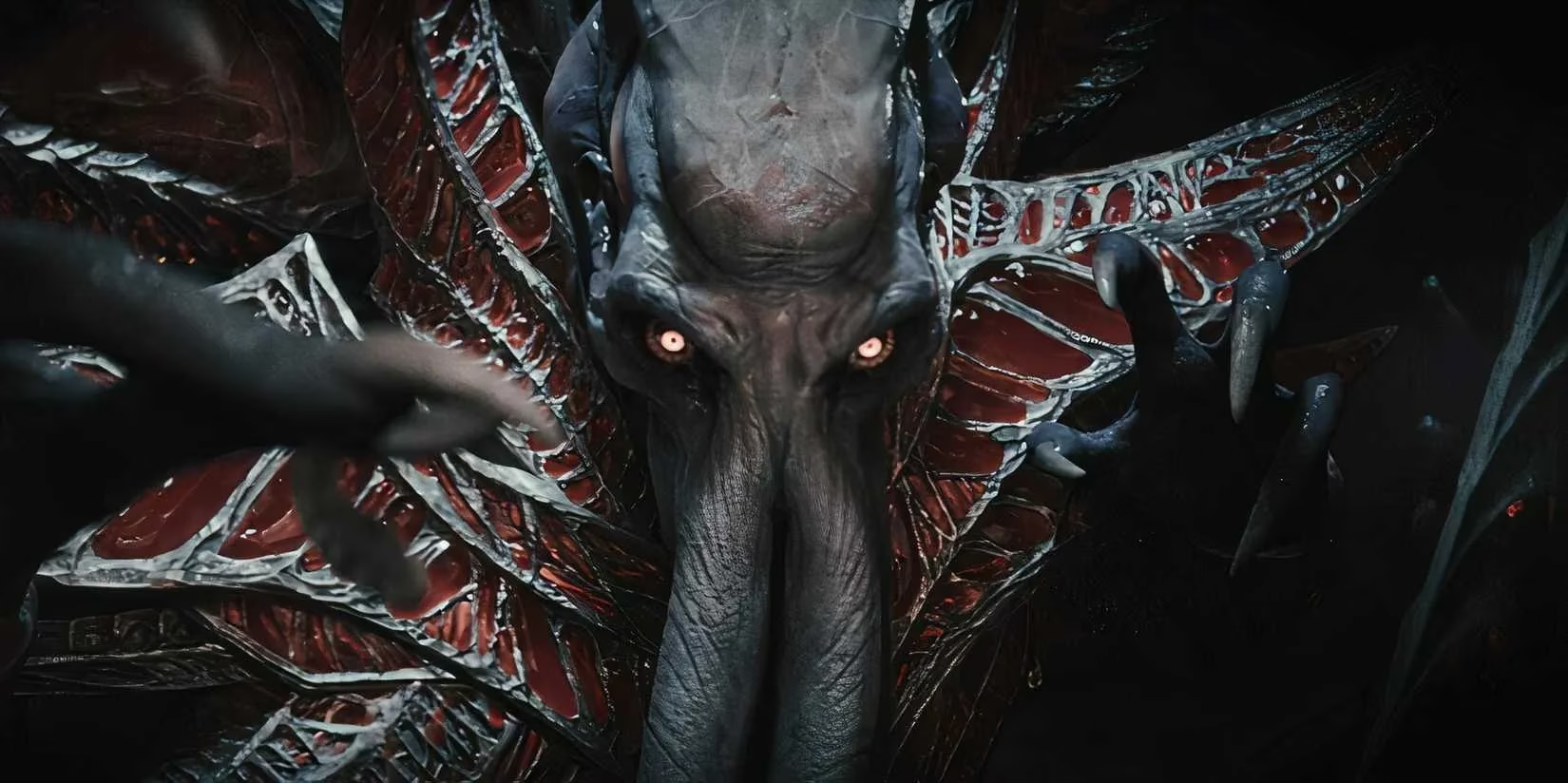
But to discuss these powers solely as combat tools is to miss their entire point. They are a constant, living moral barometer. The game creates exquisite pressure points that force you to reckon with your identity. Is using this psionic blast to save Gale's life "acceptable" if it means the worm in my brain squirms deeper? My Lawful Good paladin had to confront a terrifying question: is my refusal to use these powers a noble stand against corruption, or is it just fear—a fear that could get my friends killed? 🤔
The system truly comes alive through my companions. Their reactions—a scoff of disgust from Lae'zel, a curious, academic fascination from Gale, or a grim nod of approval from Astarion—transformed a mechanical choice into an interpersonal drama. Even those who supported using the tadpoles brought their own trauma and biases to the table, adding layers of nuance to every decision. This wasn't a menu selection; it was a group therapy session with existential stakes.
By rooting progression in temptation, Baldur's Gate 3 ensures that even the most overpowered abilities feel earned or damning. That emotional weight, which so many RPGs strive for, is woven into the very fabric of the story here. Whether you dive headfirst into the psychic abyss, dabble cautiously, or reject it entirely, the choice becomes a core part of your character's identity. The brilliance is that no path is the "correct" one; each meaningfully reframes the narrative. It's the most genuine moral conundrum, straight from the best Dungeons & Dragons campaign you've ever played.

The legacy of the Illithid Power system by 2026 isn't just about body horror or psychic blasts. It's a masterclass in game design philosophy that other narrative RPGs would be wise to learn from:
-
Tie Power to Theme: Your progression system should reflect your story's heart. Whether it's cybernetic augmentation, ancestral magic, or cosmic trauma, the skills should feel like an extension of that central conflict.
-
Make Power Costly: The temptation works because the benefits are counterbalanced by narrative consequences—judgment, risk, and a shifting sense of self. Future games can use faction reputation, personal relationships, or outright physical degradation as the price for power.
-
Let Companions React: Companions should not be neutral observers to the player's transformation. Their approval, fear, or envy adds the emotional layers that make a choice real and consequential.
-
Design Transformative Abilities: The best Illithid Powers don't just boost damage; they change how you move, talk, and think about encounters. Future systems should aim to alter gameplay paradigms, not just increment stat numbers.
-
Cherish the Right to Refuse: This is where Baldur's Gate 3 shines brightest. The option to say "no," to walk the harder path without these crutches, is just as valid and richly developed as embracing them. The best RPGs give players room to resist, delay, or personally shape their transformation.
In my journey, I chose to walk the line. I used Fly to reach impossible vantage points and Psionic Dominance to shut down enemy mages with a psychic "no." But I always felt the weight. That system turned my RPG adventure into a profound character study, shaped not just by the choices I made, but by the terrifying, alluring structures of power that pressured me to make them. Baldur's Gate 3 proved, definitively, that progression can be storytelling, and storytelling, in turn, can give progression a soul—or threaten to take it away.