The Most Compellingly Bizarre Actions Players Can't Resist in Baldur's Gate 3
Baldur's Gate 3 lets players embrace chaotic choices and hilarious moments, creating a legacy of unforgettable, weird adventures by 2026.
In the sprawling, choice-drenched world of Baldur's Gate 3, the line between heroism and hilariously questionable decision-making is often blurry. By 2026, the game's legacy isn't just built on epic narratives and tactical combat, but on those unforgettable, utterly weird moments players create for themselves. Why follow a straight and narrow path when the game so gleefully offers you a dozen winding, chaotic detours? The true magic lies in the freedom to experiment, to succumb to curiosity, and to occasionally be a spectacularly bad person—all in the name of seeing what happens next. From petty theft to divine mockery, these are the strange but irresistible actions that have become a rite of passage for adventurers in Faerûn.
Stealing or Assaulting a Random NPC
Who hasn't felt the sting of an exorbitant price tag in a vendor's shop? Or endured the brunt of an NPC's unwarranted rudeness? In these moments, the intrusive thoughts win. "Can I just... take it?" or "Would the world truly miss this insolent fool?" The game doesn't just allow these impulses; it facilitates them with intricate pickpocketing mechanics and loot-filled corpses. Attacking someone you have no narrative reason to harm has become a bizarre staple of the player experience. Is it about the gold, or is it about asserting a chaotic form of control over a meticulously crafted world? The answer, much like the act itself, is delightfully ambiguous.
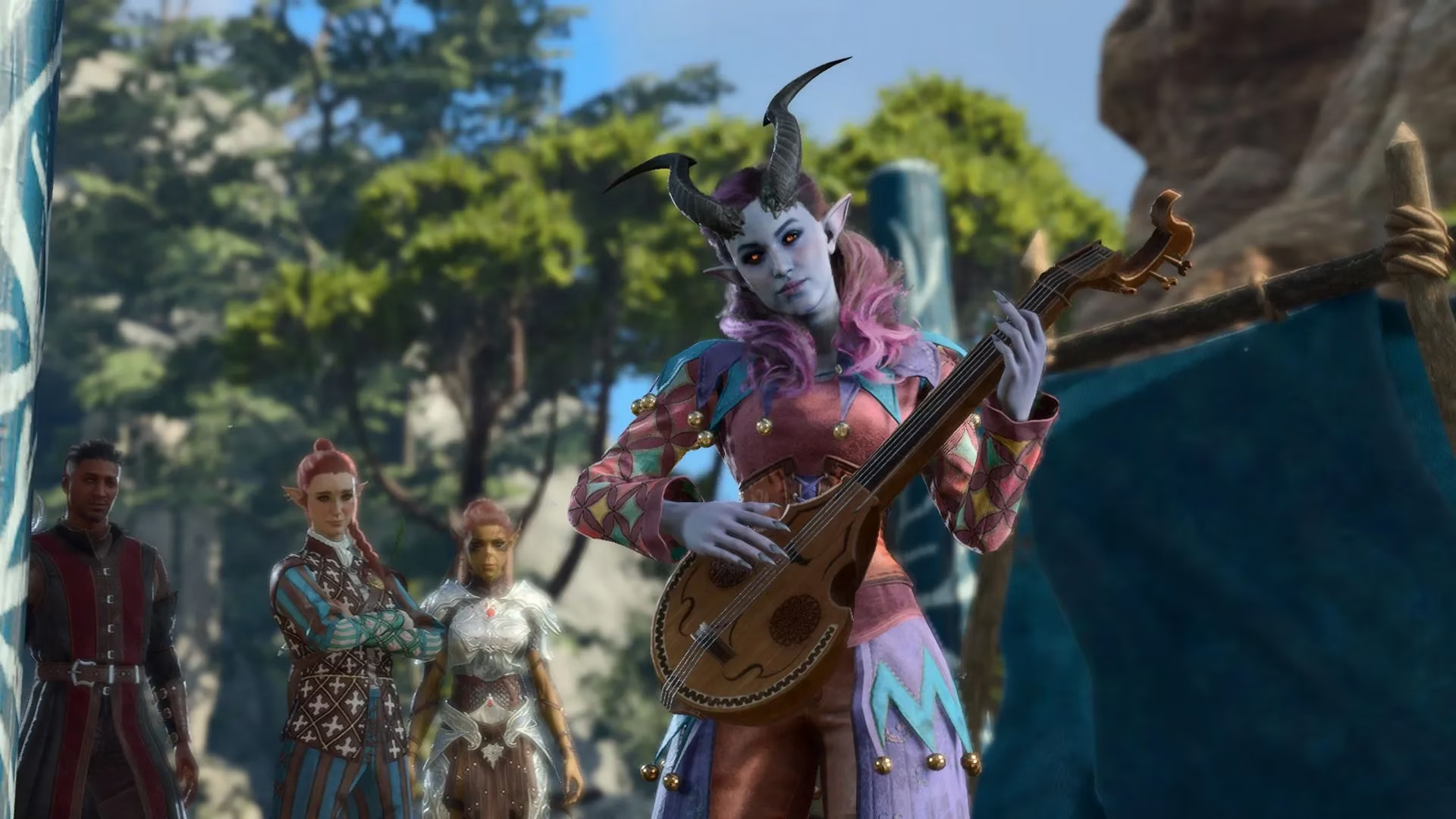
Releasing the Brakes on Barcus Wroot
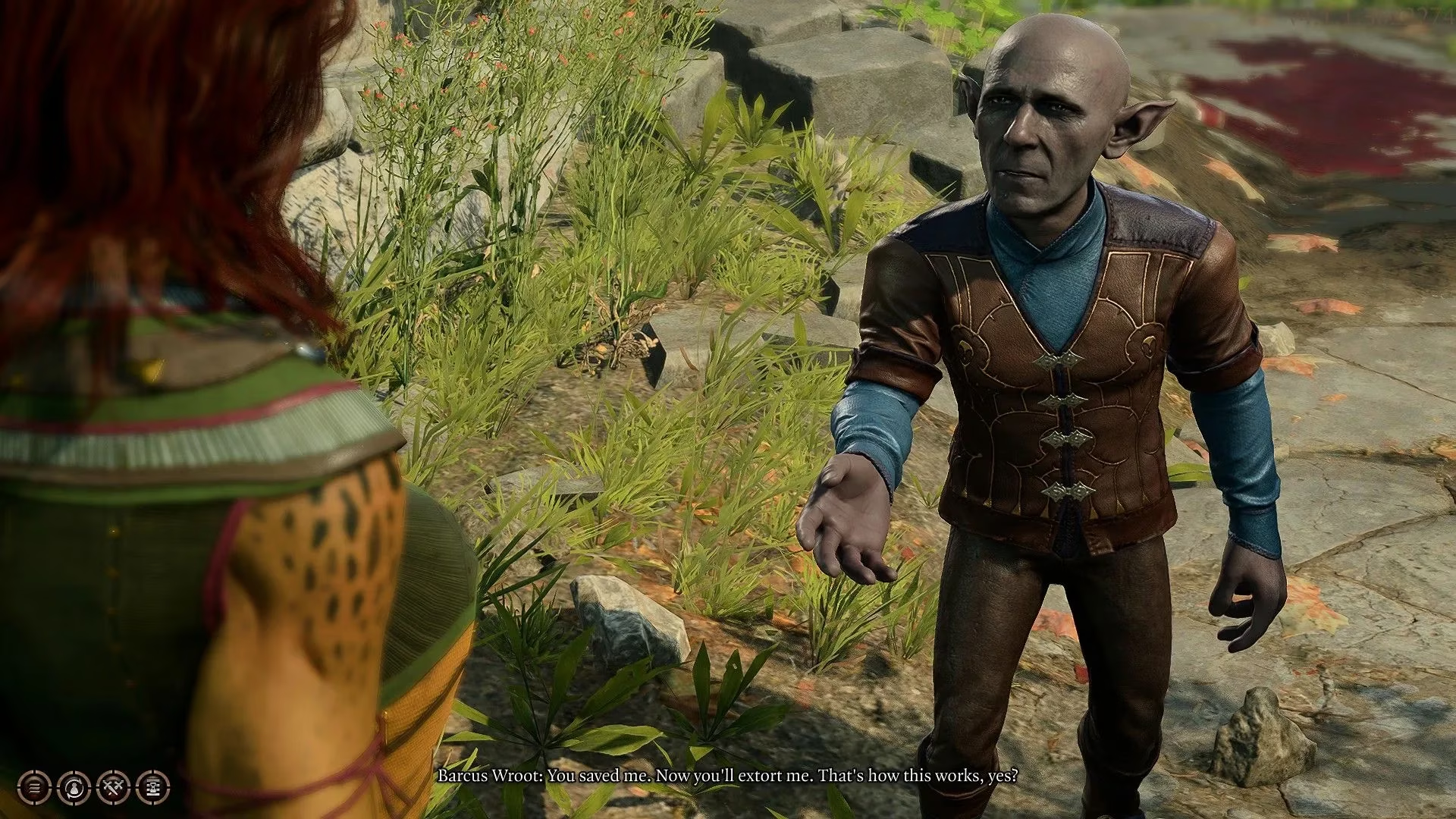
Meeting Barcus Wroot, one of the game's most endearing characters, presents a moral test wrapped in a mechanical puzzle. He's trapped on a windmill, and the solution seems simple: pull the brake lever. But sitting right there is another lever, ominously labeled "Release." The temptation is overwhelming. What if I just... give it a little push? The resulting "YEET" is both horrifying and darkly comedic, as the poor gnome is launched into the stratosphere. It's a perfect example of the game saying, "You can do this. We programmed it. But should you?" The sheer audacity of the option makes refusing it almost impossible for the curious player.
Permanently Dispatching a Potential Companion
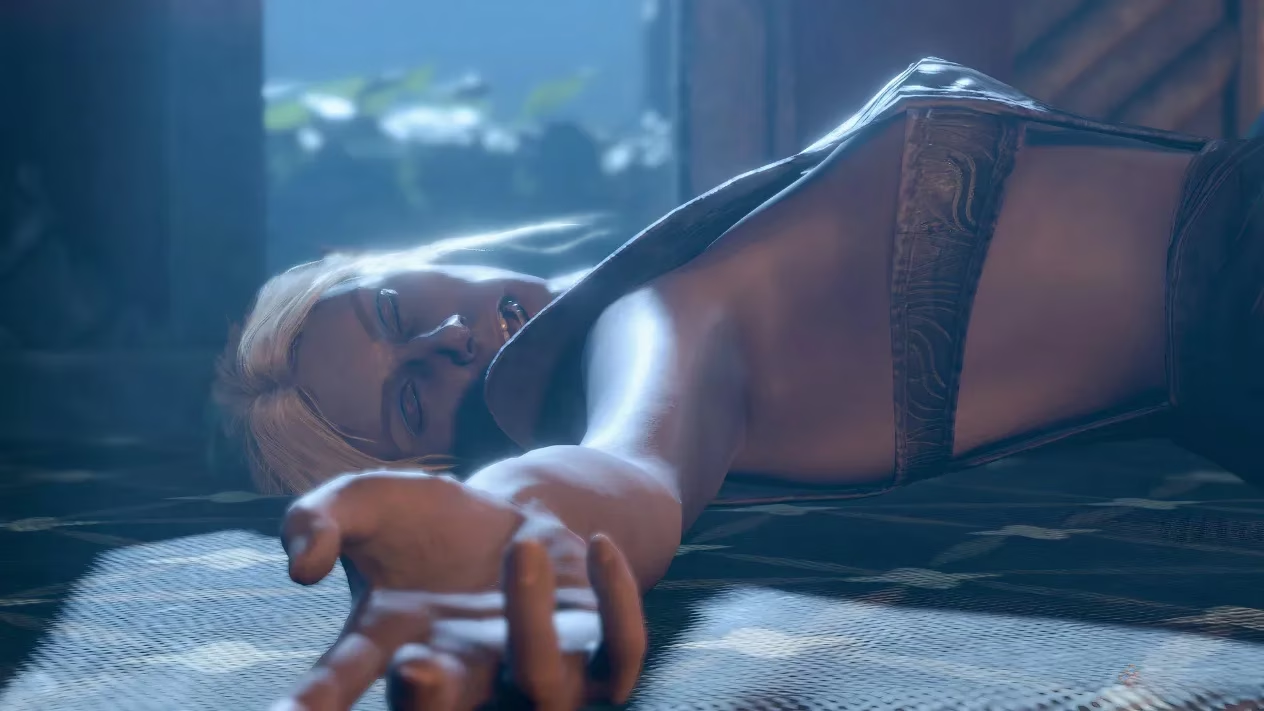
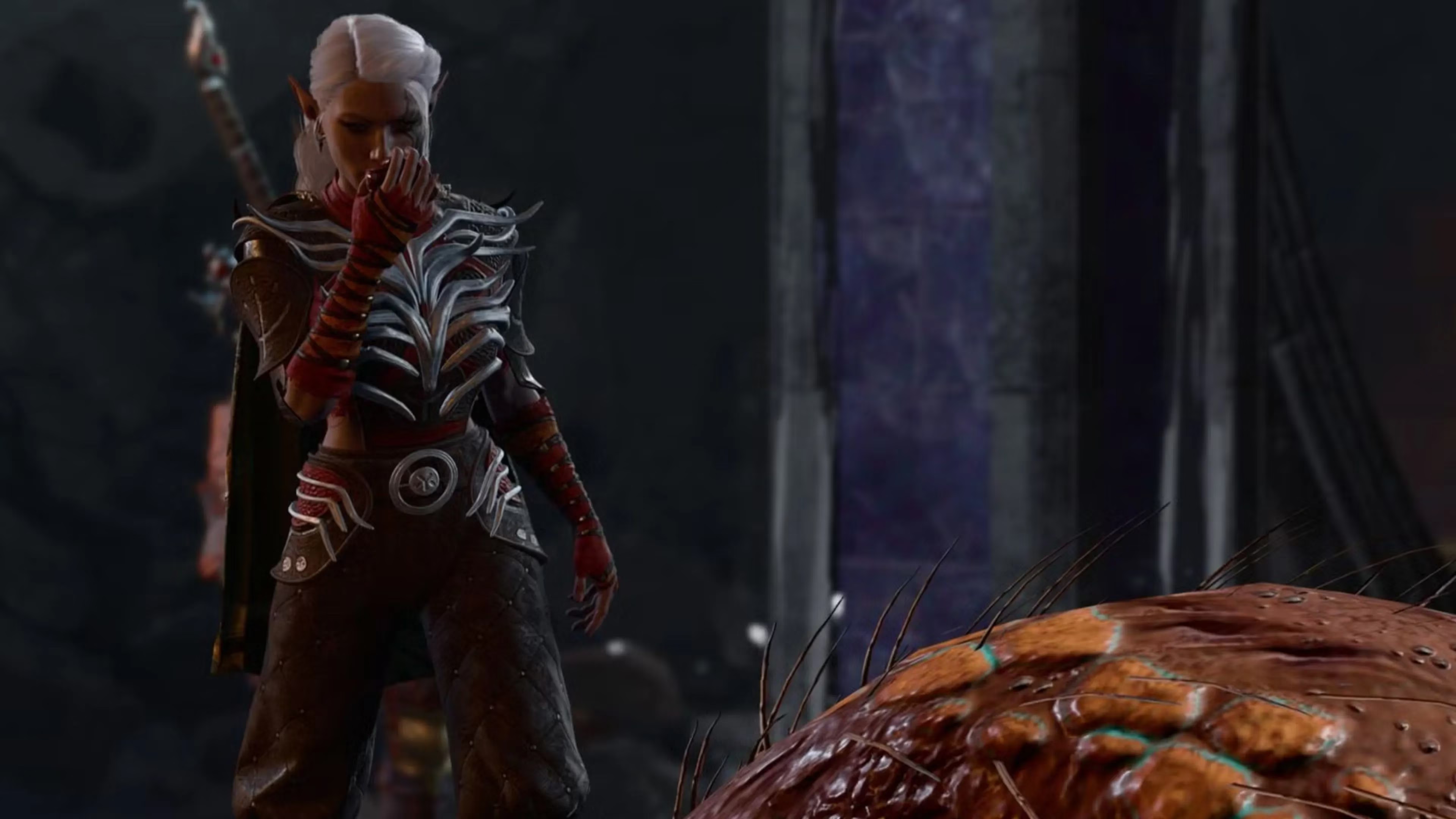
The early hours of Baldur's Gate 3 are a minefield for future party members. Astarion tries to bite you. Lae'zel is insufferably arrogant. Gale can literally be killed by failing a simple pull from a portal. And Minthara? She's the leader of a goblin army you're likely tasked with destroying. Without prior knowledge, isn't eliminating a clear enemy the logical choice? Many first-time players in 2026 still report the shock of discovering, dozens of hours later, that the aggressive vampire spawn or the menacing drow commander could have been a trusted ally. It's a brutal lesson in the game's commitment to consequence, where a logical combat decision can permanently alter your story.
Opening the Suspicious Barn Door
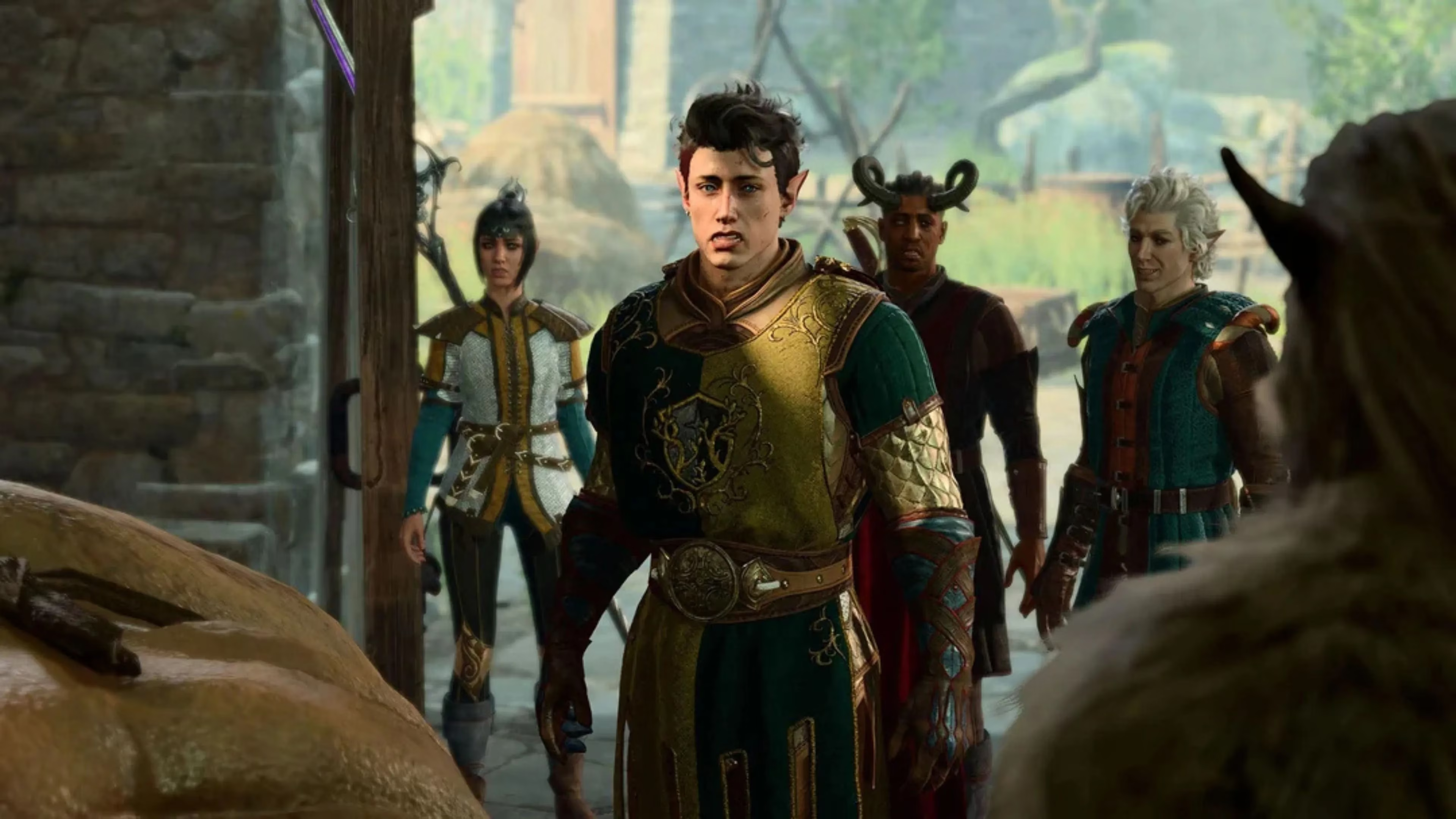
You hear the distinct, rhythmic sounds of... activity... from within a barn. Your companions make snide remarks, confirming your suspicions. The game then presents you with a choice: Walk away, or open the door. It even asks you twice, as if pleading with you to reconsider. Of course, you open it. The resulting scene—featuring an ogre and a bugbear in a compromising position—is peak Baldur's Gate 3 absurdity. It's awkward, it's hilarious, and it almost certainly ends in a fight. But can you truly say you've experienced everything the game has to offer if you haven't interrupted this particular moment of interspecies bonding?
Mocking the Lich Queen Vlaakith
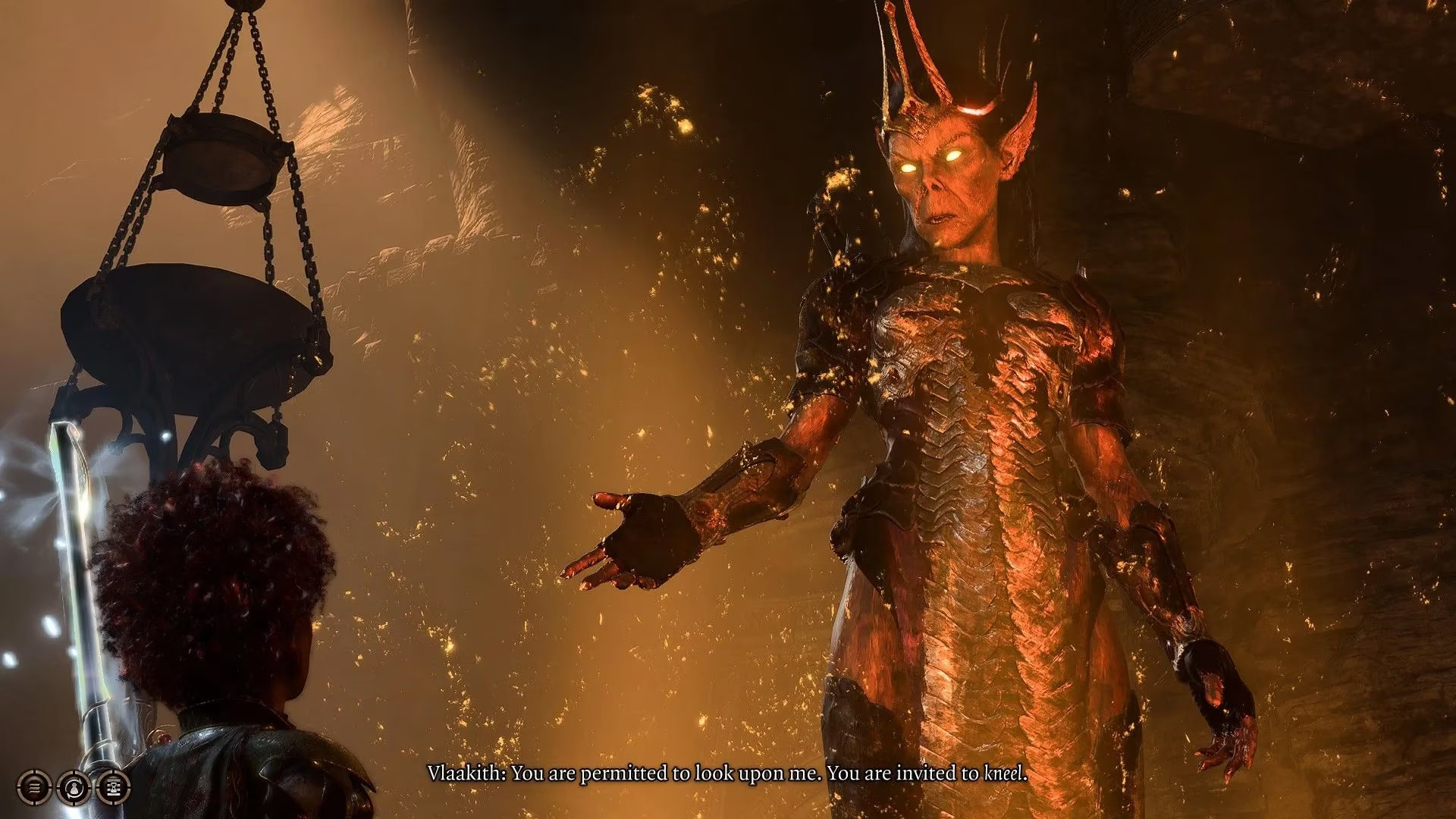
Confronted with Vlaakith, a goddess-like Lich Queen who can obliterate you with a thought, the expected response is deference. The fun response is to mouth off. The game provides a glorious array of dialogue options to insult, doubt, and challenge her authority. Where else can you tell a near-omnipotent being that her painting is ugly and live to (briefly) tell the tale? The ensuing divine smiting is a small price to pay for the sheer bravado of the act. It's a power fantasy in reverse: not about defeating the god, but about having the gall to sass them before you're turned to dust.
Licking the Dead Spider. Repeatedly.
Amidst world-ending plots and deep character romances lies a simple, profound question: What does a dead spider taste like? Baldur's Gate 3 provides the answer. There is no quest reward, no mechanical benefit—only the visceral description of the act and the judgmental disapproval of your companions. And the game, in its infinite wisdom, lets you do it again. This is pure, unadulterated experimental gameplay. It exists because the developers knew someone would try it. It celebrates the player's desire to interact with the world in the dumbest, most literal way possible. Why lick a spider? Because it's there.
Making a Clearly Terrible Deal
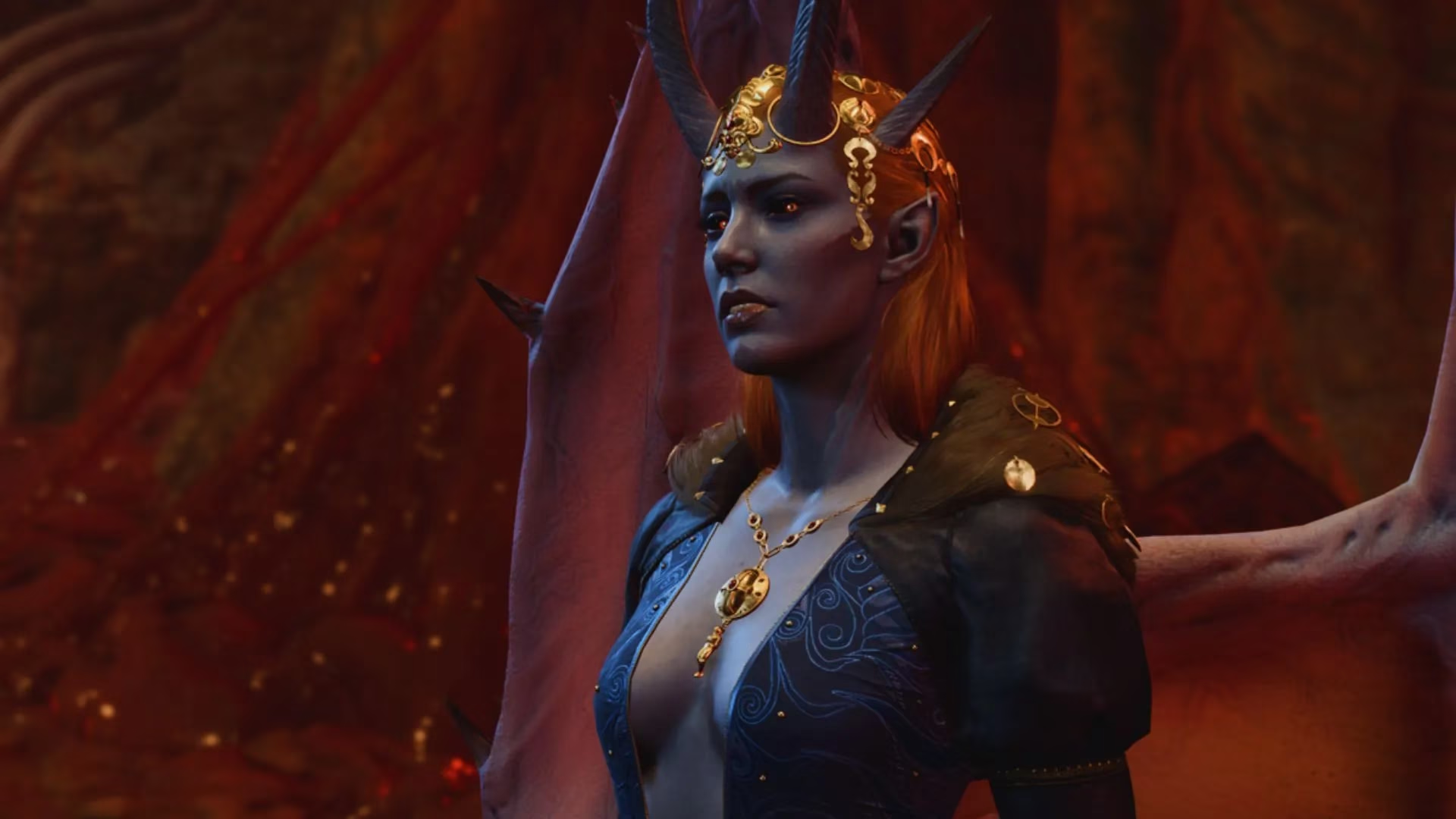
Faerûn is full of shady dealers offering power at a price. The hag Ethel offers a stat-boosting hair in exchange for... something unpleasant. The devil Raphael offers a deal to remove your tadpole. Various entities offer carnal pleasures. The benefits are often immediately tempting, but the long-term consequences are deliberately vague and ominous. Accepting these deals is a fascinating test of player morality versus gameplay optimization. Will you sacrifice a part of your character's soul for a +1 to Strength? In 2026, entire playthroughs are dedicated to accepting every bad deal, creating a protagonist who is powerful, damned, and utterly compromised.
Attempting a Full Evil Playthrough
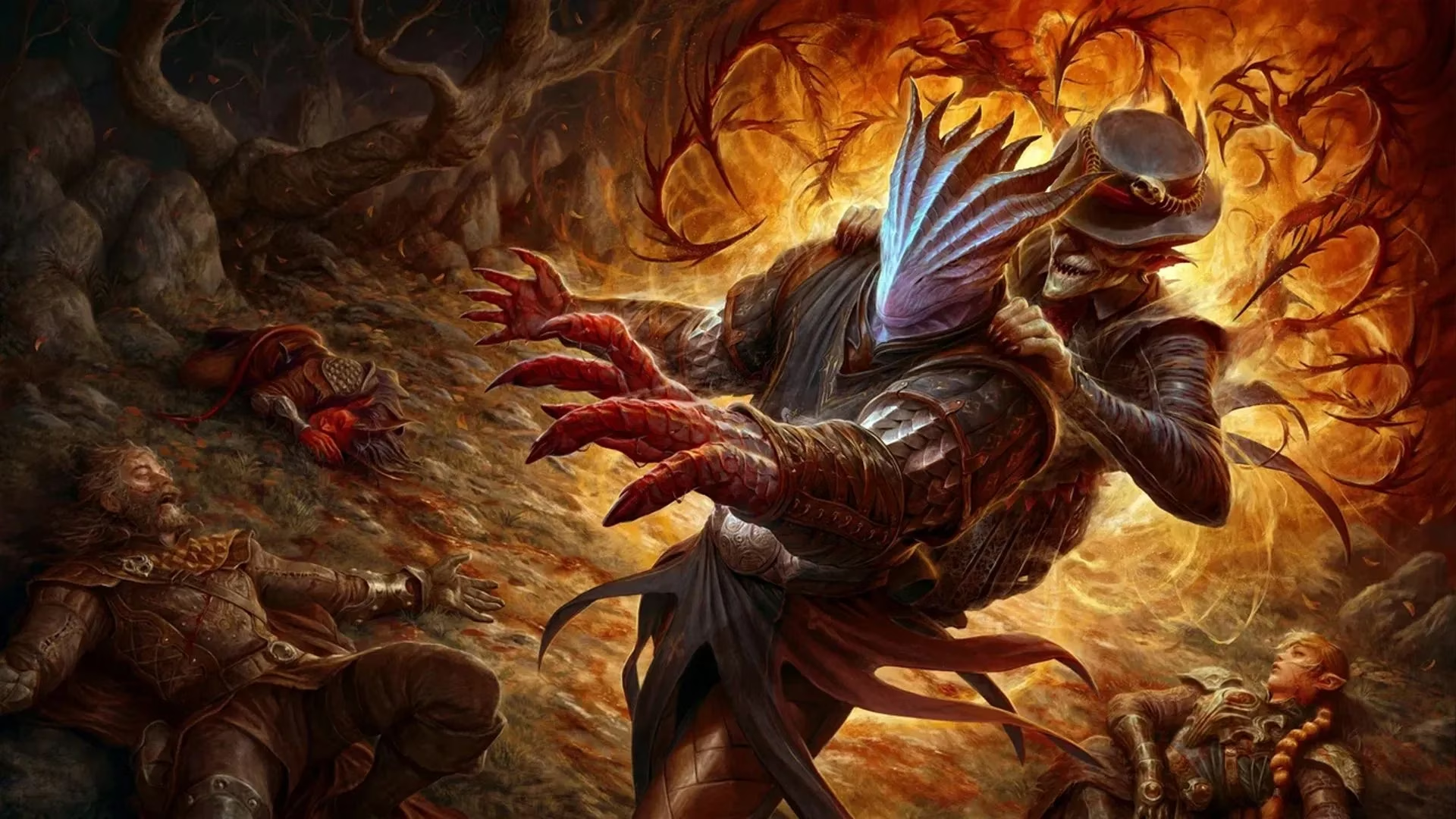
The game doesn't just allow evil actions; it crafts elaborate, devastating pathways for them. From betraying refugees to dominating the Absolute, the options are plentiful and horrifying. But can you stomach it? An evil run is less about u201cbeing badu201d and more about exploring the darkest corners of the narrative. It reveals unique story beats, character reactions, and endings unseen by heroes. The Dark Urge origin, in particular, has become iconic by 2026, weaving a compelling, bloody personal story into the main plot. It’s a challenging, often uncomfortable, but deeply rich way to experience the game.
Breaking Your Paladin's Sacred Oath
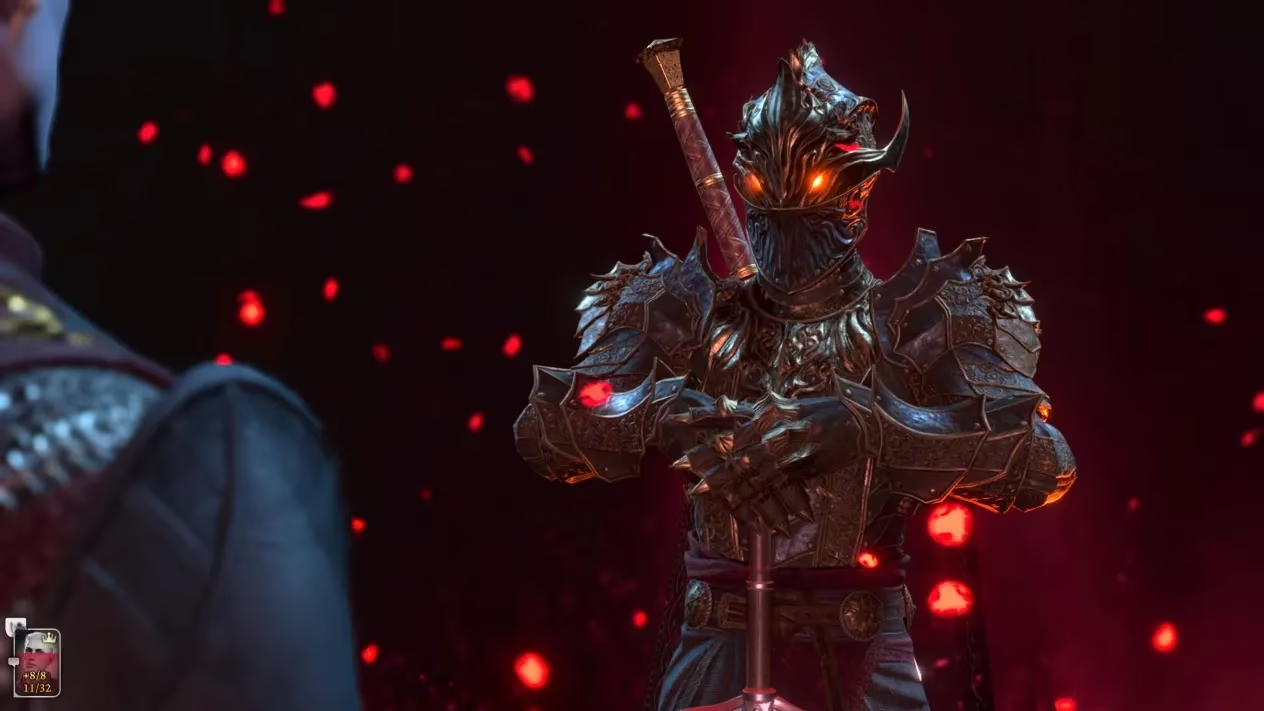
For the many who choose the path of the paladin, maintaining one's oath is a constant struggle. The game watches your actions with divine scrutiny. Showing mercy to a wrongdoer? That might break your Oath of Vengeance. Failing to protect an innocent? There goes your Oath of Devotion. It’s surprisingly easy to stumble into becoming an Oathbreaker, often by accident. The arrival of the Oathbreaker Knight at your camp is a moment of sobering consequence. Yet, this "failure" opens up a whole new, morally gray subclass with unique, sinister powers. Was breaking the oath a mistake, or the first step on a darker, more interesting journey?
The Eternal Cycle of Restarting
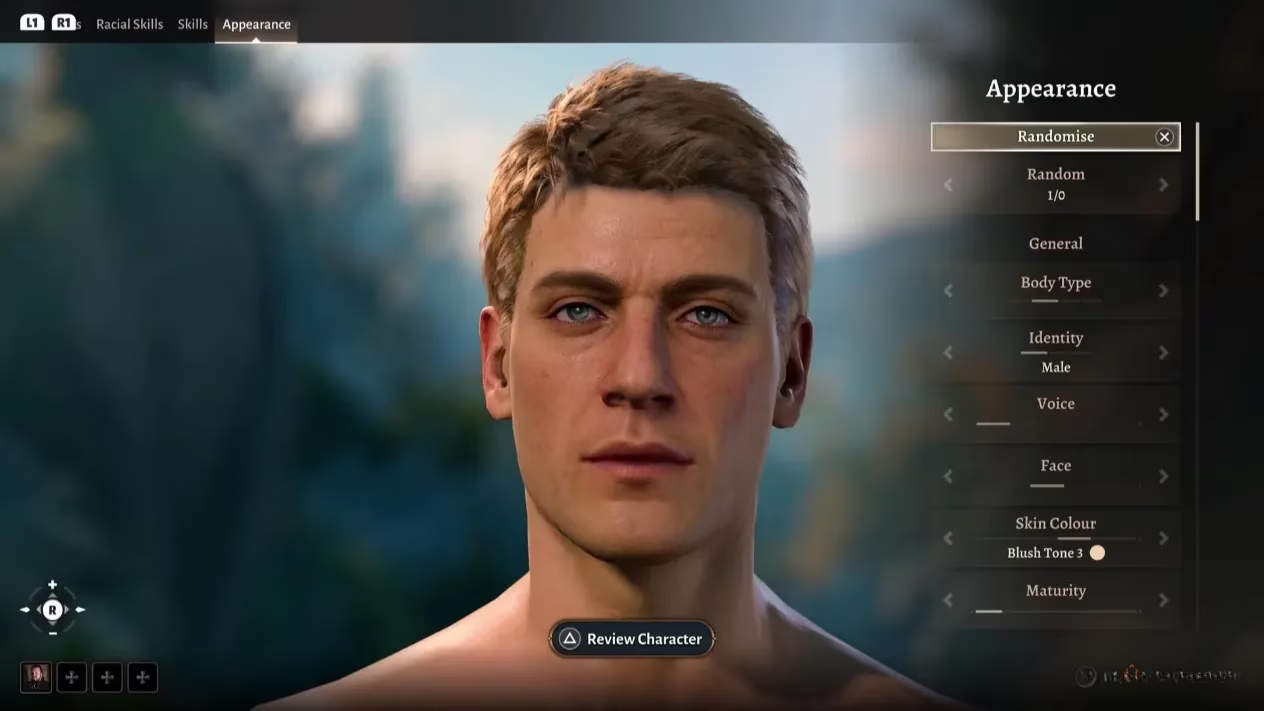
Finally, perhaps the most universal "weird choice" is never finishing the game at all. With 12 classes, dozens of subclasses, countless builds, and origin stories like The Dark Urge, the Character Creation screen is a siren's call. How many players in 2026 have never seen the credits, but have a dozen Tavs, each abandoned in Act 1 or 2 for a new, shinier concept? Did you even reach the Goblin Camp before rerolling as a charismatic Bard? The game's vast possibility space makes commitment the hardest choice of all. It’s a beautiful paradox: a game about consequential choices that also encourages endless, consequence-free restarts.
In the end, these bizarre actions define the Baldur's Gate 3 experience as much as its epic story. They transform it from a game you play into a world you experiment with. Each strange choice, from the cruel to the comical, is a testament to a game that respects player agency above all else, trusting us to find our own fun—and our own trouble—in its meticulously crafted world.