My Journey Through the Latest Baldur's Gate 3 Updates: XeSS, Steam Deck, and PS5 Fixes
Discover the game-changing Baldur's Gate 3 Intel XeSS support and crucial PS5 fixes that revitalized the acclaimed RPG in 2025, proving Larian's enduring commitment to player experience.
It’s 2026, and while the world has moved on, my adventures in Faerûn are far from over. I remember logging into Baldur's Gate 3 last year, right after that September 2025 patch dropped. The initial buzz was all about the new native Steam Deck build—a godsend for someone like me who loves to sneak in a quest or two during my commute. The performance on the handheld finally felt consistent, no longer a gamble between a smooth cinematic and a choppy slideshow. But little did I know, the patch had a secret. A week later, Larian Studios sheepishly tweeted, "Oops, we forgot to mention something..." That something was support for Intel XeSS. As someone who had recently built a PC around an Intel Arc GPU, this wasn't just a footnote; it was a game-changer. Suddenly, my setup could push the lush, detail-rich world of Baldur's Gate 3 to even higher resolutions, finally letting me see the scales on every dragonborn and individual threads on a Harper's cloak.
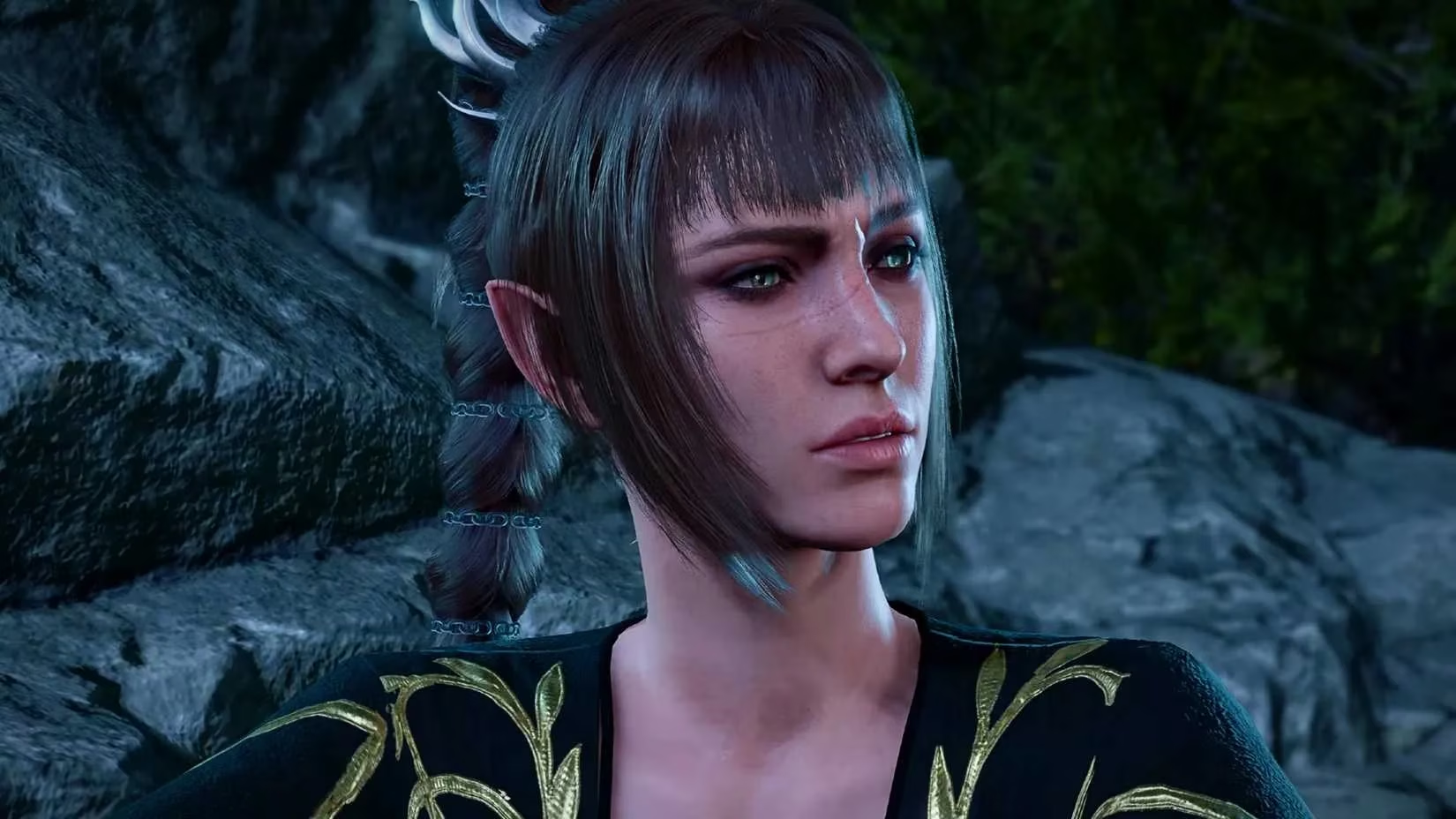
The journey to this point was interesting. I remember when Intel first launched XeSS back in 2022. It was exciting—a new player challenging Nvidia's DLSS—but it took time for games to adopt it. When Baldur's Gate 3 won Game of the Year in 2023, I was thrilled but also hoped for more tech support down the line. To see my favorite RPG join the growing list of titles supporting XeSS felt like a validation. It wasn’t just a minor update; it was a statement that Larian was committed to supporting all kinds of players, even years after release. The April 2025 update had already shown the game's enduring power, drawing over 169,000 concurrent players on Steam in a single day. This September patch, with its stealth XeSS feature, proved the magic wasn't fading.
But my story isn't just about PC enhancements. I have friends in my adventuring party who swear by their PlayStation 5s. Around the same time, they started complaining about their games freezing at the worst possible moments—like mid-conversation with the Dream Visitor or during a tense combat turn in the Shadow-Cursed Lands. The frustration was palpable in our voice chats. Thankfully, Larian didn't leave them hanging. In that same fateful tweet thread where they revealed the XeSS oversight, they also addressed the PS5 issue. Their advice was a simple, temporary fix: "Try turning off Performance Mode." It wasn't a perfect solution, but it was a lifeline. My friend Kael, who plays a stoic Dragonborn fighter, reported that his game stabilized almost immediately after switching to Fidelity Mode. The trade-off for smoother frames was worth it to avoid those heart-stopping crashes.
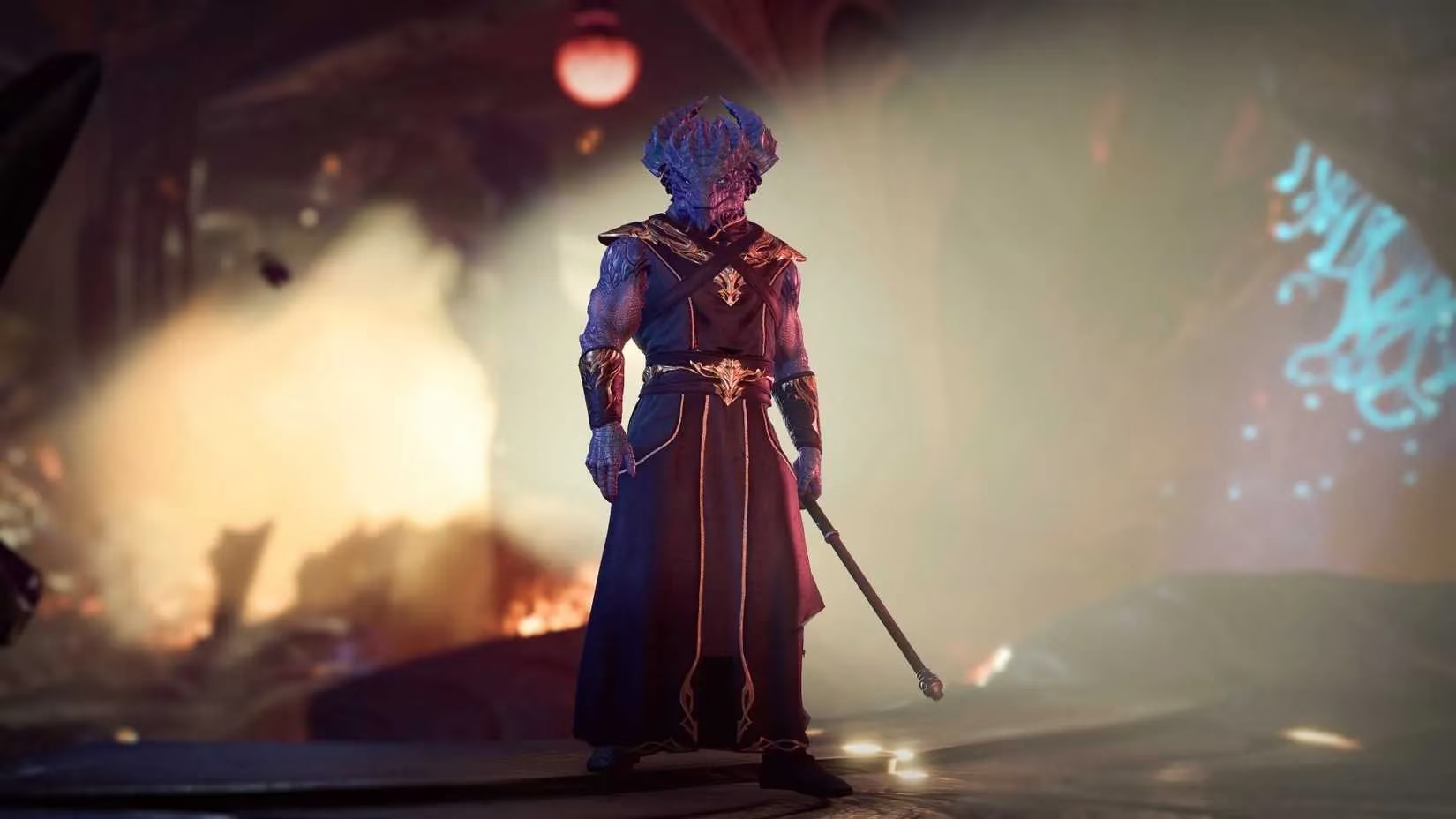
This PS5 fix became especially crucial because of another fantastic development: mods had finally come to consoles. At least 26 new mods—ranging from cosmetic tweaks like new hairstyles and armor dyes to gameplay overhauls that added new spells or balanced classes—had recently become available. The idea of crashing while trying out a fun new mod was a nightmare scenario. Larian's quick tip allowed my console friends to dive into this new sandbox while the studio worked on a permanent, underlying fix. It underscored a beautiful aspect of this ongoing support: it's holistic. They're not just adding flashy tech for one platform; they're stewarding the entire ecosystem, ensuring everyone, from the handheld user to the console modder to the PC enthusiast with specific hardware, gets to enjoy the game.
Reflecting on it now, looking back from 2026, that September 2025 patch was a microcosm of Baldur's Gate 3's post-launch journey. The game is a masterpiece, and the studio's commitment to it is clear. They've moved on to new, mysterious projects, but they haven't abandoned this world they brought to life. The updates may be smaller now, labeled as patches and hotfixes rather than massive content drops, but their impact is profound. They smooth out the edges, unlock new potential for different hardware, and quietly ensure that the door to Faerûn remains wide open and welcoming for everyone. For me, it means my journey continues, looking sharper and running smoother than ever before. And who knows? With support like this, I might just be planning another run-through, XeSS enabled, Performance Mode optimized, ready for whatever secrets Larian might have forgotten to mention next time.