How Baldur's Gate 3 Became a Lifeline: A Story of Tadpoles, Blood Clots, and Unlikely Hope
Baldur's Gate 3 delivers a gripping, emotional journey, mirroring the harrowing reality of living with a mindflayer tadpole and blood clot.
In the sprawling, fantastical dungeons of Faerûn, a desperate truth echoed for one player: the line between a mindflayer's parasitic tadpole and a life-threatening blood clot was terrifyingly thin. For two long years, a rare and dangerous medical complication had turned life into a fragile, uncertain thing, a constant shadow of scans and fear. Then, a friend sent a message about a game where heroes had alien things in their heads that could kill them at any second. That message was the key to an unexpected sanctuary, a place where pixels and polygons understood the raw, desperate calculus of living with a ticking time bomb inside you. This is the story of how Baldur's Gate 3 transcended entertainment to become a profound mirror and a source of improbable strength.
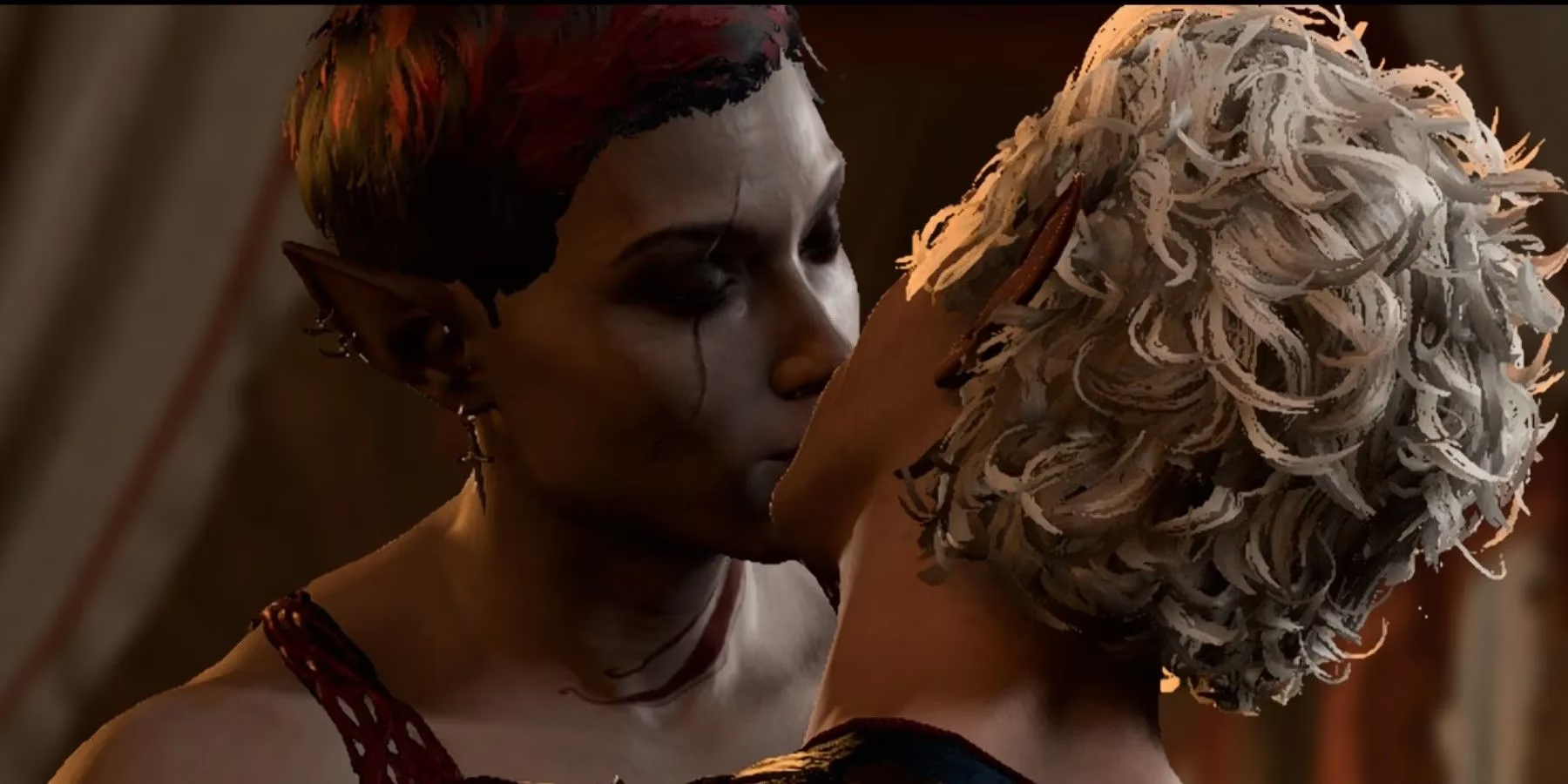
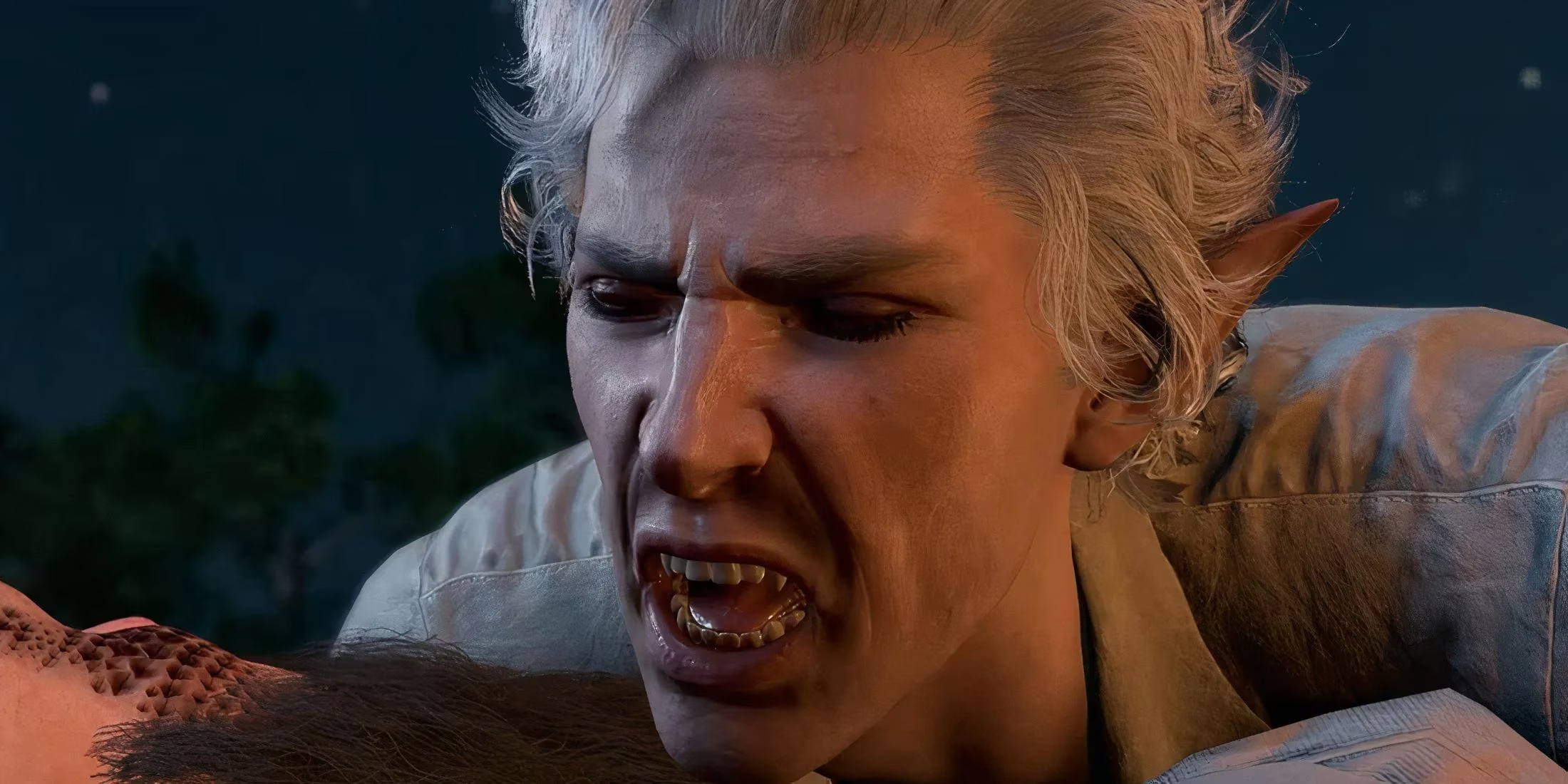
The connection was immediate and visceral. From the very first moments in character creation, the parallels were undeniable. Here was a drow paladin, a chosen warrior of divine might, rendered helpless by an invasive, unknown force—a perfect digital stand-in for a person brought low by their own biology. The game's opening hours weren't just an introduction to mechanics; they were a brutal reflection of reality. 😢 When the fierce githyanki warrior Lae'zel coldly stated the statistical improbability of surviving ceremorphosis, it wasn't just game dialogue—it was the echo of a doctor's grim, percentage-less prognosis. When the vampire spawn Astarion raged against the cosmic unfairness of his curse, his fury mirrored the sheer, boiling frustration of a life hijacked by illness. These characters weren't just pixels; they were comrades in a shared, desperate struggle.
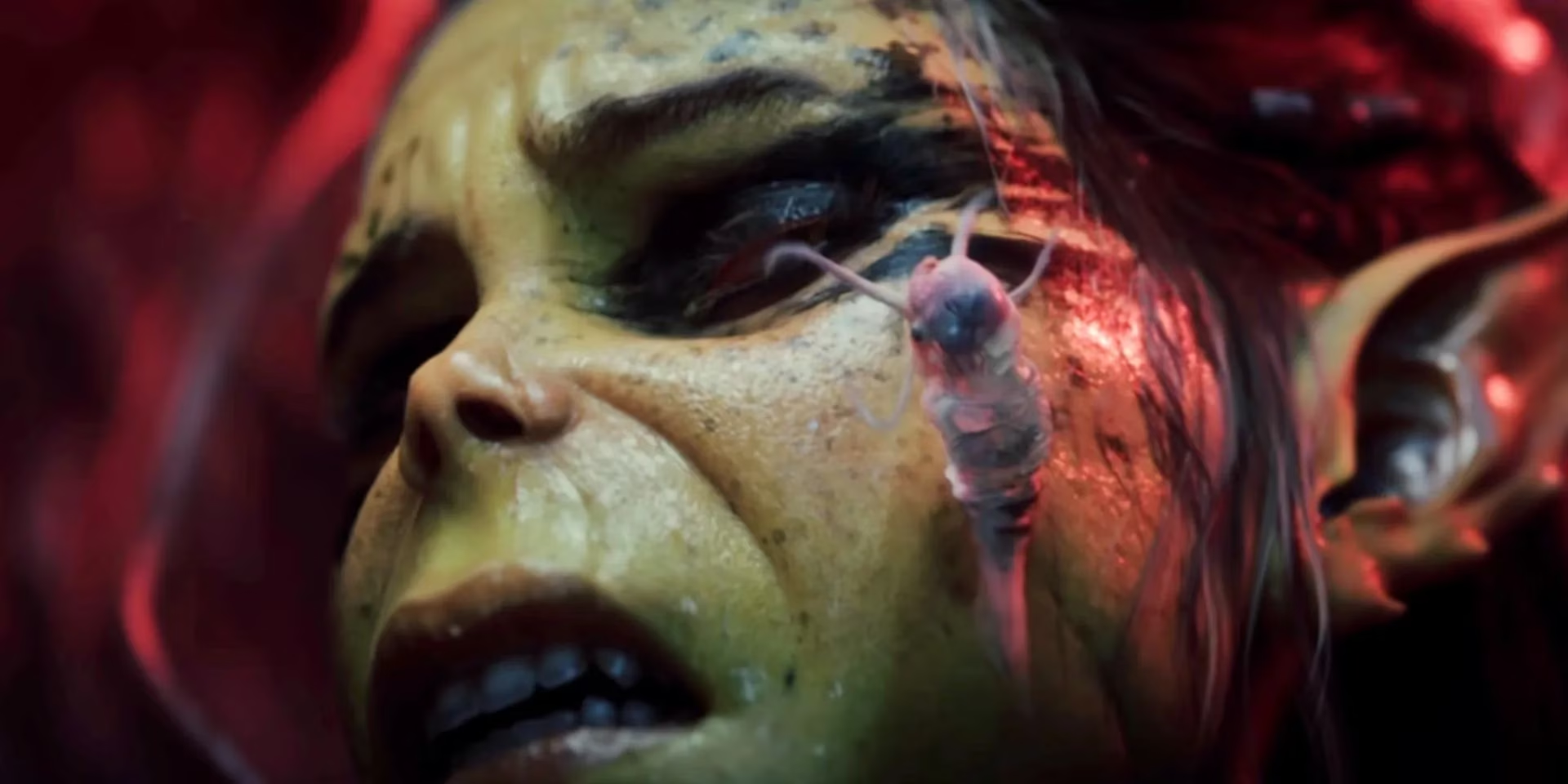
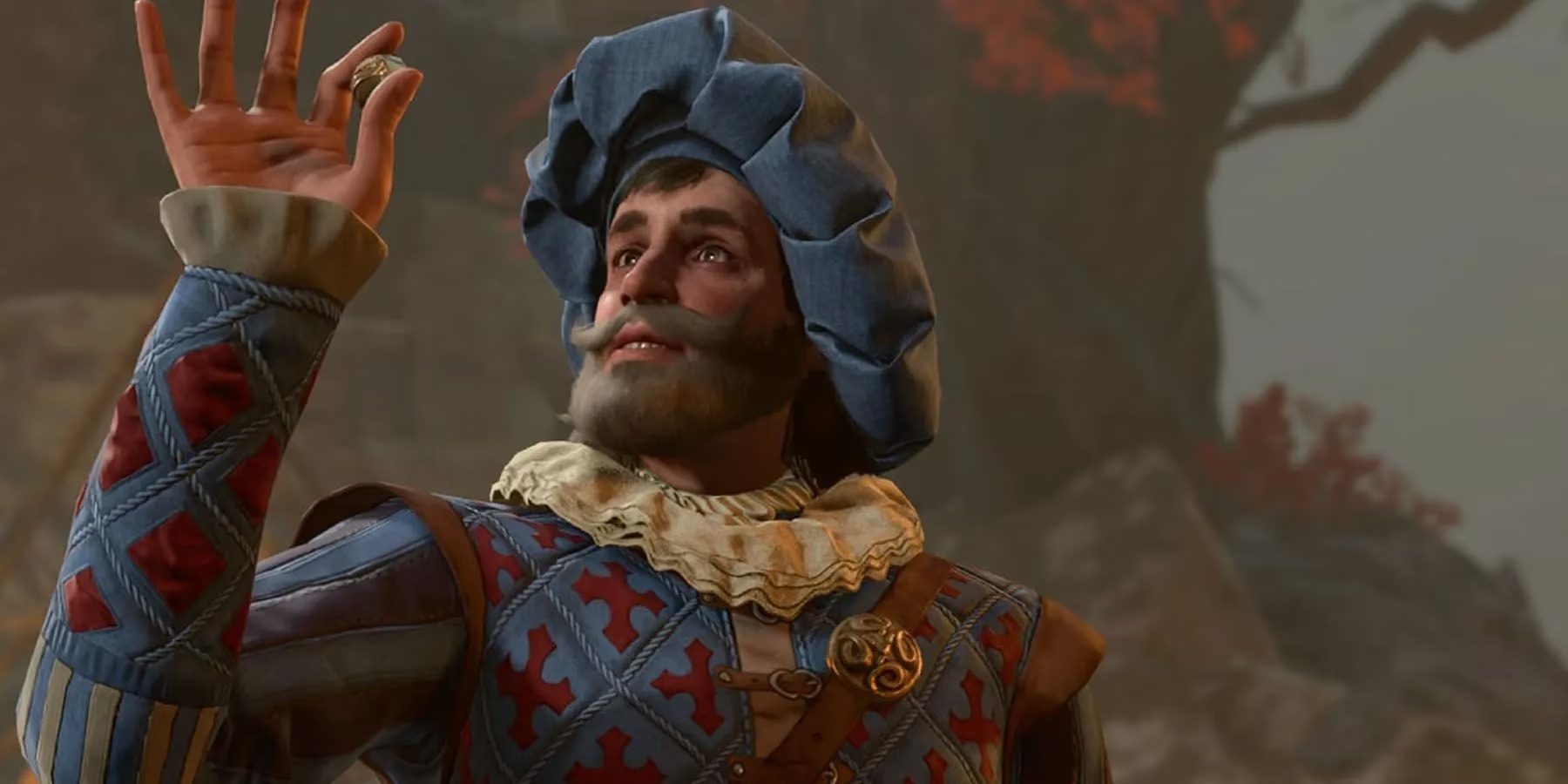
What Baldur's Gate 3 captured with unnerving accuracy was the desperation that comes with such a condition. The party's journey became a perfect allegory for the patient's odyssey. Every potential cure, no matter how dubious, was pursued with reckless abandon. A deal with a devil? A hag's sinister bargain? A sketchy surgery from a clearly unqualified bard? The answer was always, unequivocally, YES. This wasn't poor decision-making; it was the embodiment of a fundamental truth of chronic illness: when faced with the abyss of "nothing can be done," you cling to any shred of hope, no matter how faint or foolish it seems. The game's brilliant narrator, with her increasingly concerned tone, would ask, "Are you really sure?" 🤨 And the answer, born of real-world experience, was a resounding, desperate affirmation. Of course Volo's eye-gauging "surgery" was a terrible idea. But in that moment, it represented action, and action felt infinitely better than passive waiting.
The resonance went far beyond the central tadpole. The entire camp was a support group for the physically and magically afflicted. Every companion bore their own internal catastrophe:
-
Karlach and her infernal engine: A heart literally burning her up from the inside, a metaphor for the exhausting, consuming pain of a failing body.
-
Gale and the Netherese Orb: The constant, low-grade terror of an internal catalyst that could detonate without warning, destroying everything nearby.
-
Wyll and his fiendish pact: The frustration and alienation of a body transformed against one's will, a permanent reminder of a desperate choice.
-
Astarion and his vampirism: The literal dependence on the life essence of others to survive, and the stigma that comes with it.
This game saw the multifaceted nature of chronic illness and reflected it back with stunning clarity. It even provided a darkly comic catharsis. Coming home from a real-world appointment filled with talk of "messed up blood" only to be greeted by a handsome vampire who gained power from consuming it was a bizarre and perfect form of therapy. Embracing the "Bloodless" status condition, with its tangible gameplay penalty, became a point of pride—a digital badge of honor for surviving another difficult day in the real world. Calling particularly bad pain days "Bloodless days" might have confused medical professionals, but it created a private, powerful language of survival.
Yet, Baldur's Gate 3's greatest gift wasn't just reflection—it was a blueprint for living. The game defiantly argues that a life under threat is still a life. Your days may be numbered, your body may be a prison or a weapon, but that doesn't mean you stop. The party in the game doesn't just mope at camp (well, sometimes they do, but they get over it!). They go on grand adventures. They fight epic battles. They fall in love under moonlit skies. 🥰 They attend terrible circus performances and adopt strange pets. They feast, they laugh, they bicker, and they live with a ferocity that is both inspiring and instructive.
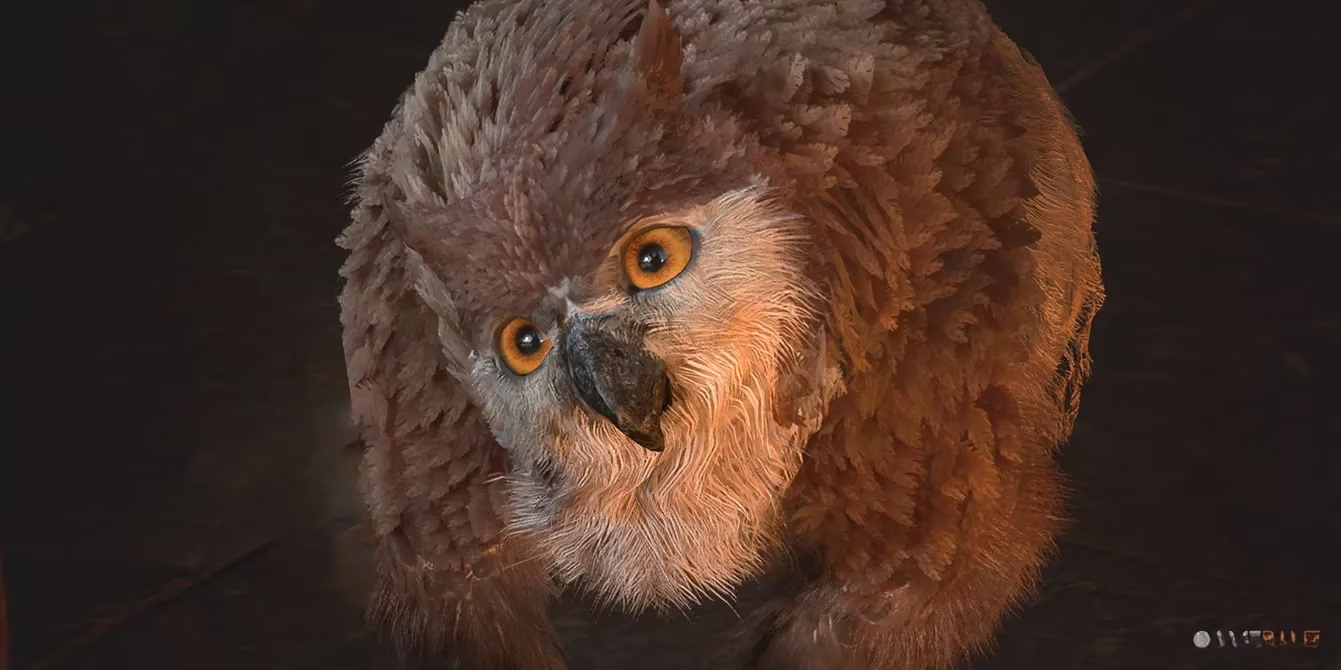
This virtual journey culminated in a real-world victory. After two years of relentless anxiety, the news finally came: the body was declared free of the original, terrifying clot. The battle isn't over—the risk remains high, and the side effects are a permanent companion—but the mindset has irrevocably shifted. The lesson from Faerûn has been internalized: you don't let the internal monster win by surrendering joy. You fight it by living, truly and fully, in spite of it.
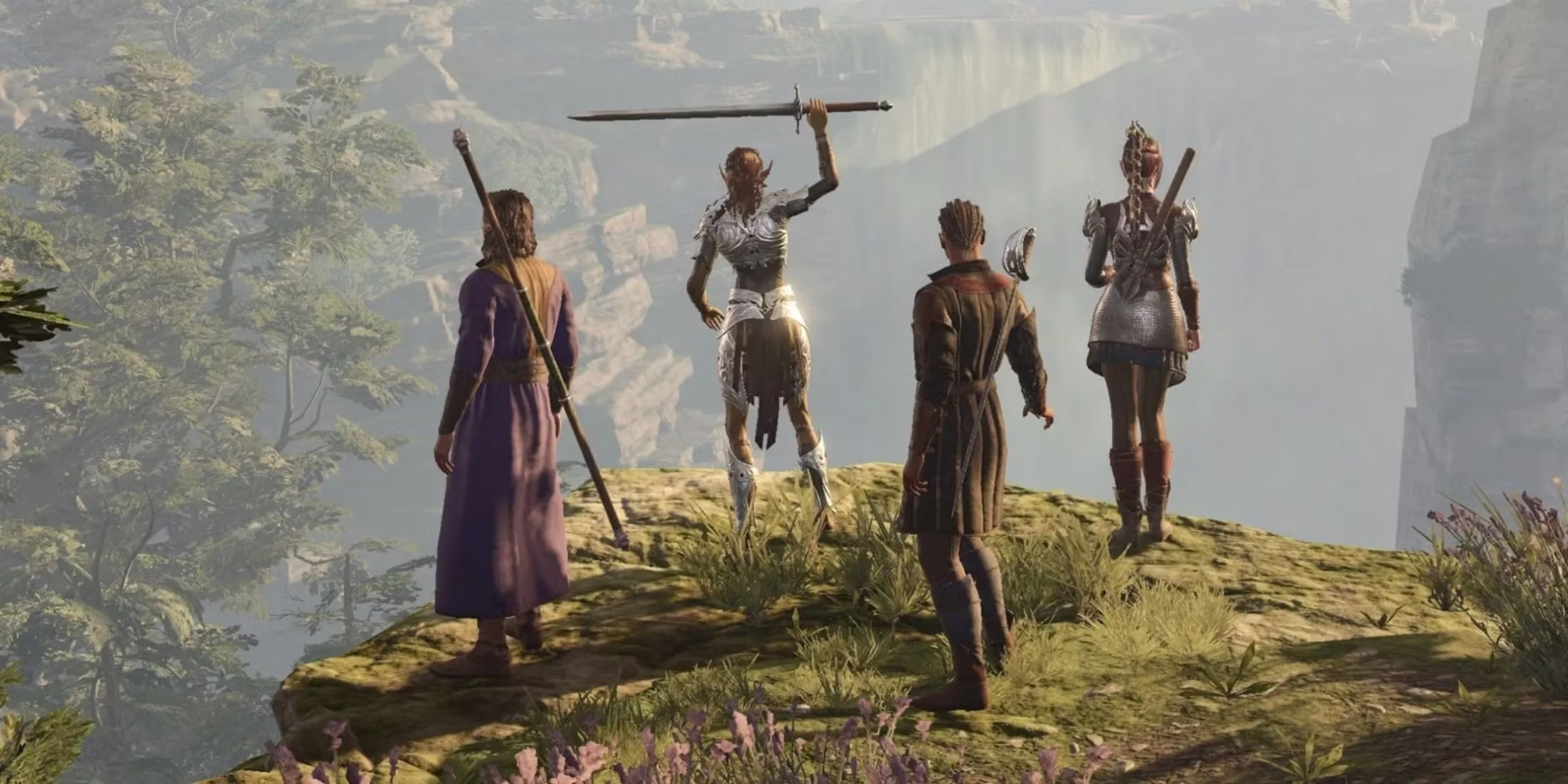
In the end, Larian Studios didn't just create a masterpiece of role-playing; they crafted a profound narrative about resilience. They gave a player—and undoubtedly countless others facing their own struggles—a band of digital weirdos who understood, a world where fear and fun could coexist, and a powerful message: your tadpole, whatever form it takes, doesn't get to write your story. You pick up your sword, you gather your friends, and you keep on adventuring. The game may have been about removing a parasite, but its lasting effect was implanting something far more powerful: an unshakable, hard-won hope. 💪✨