Baldur's Gate 3: The Ultimate Guide to Race-Specific Roleplay in 2026
Choosing the best race in *Baldur's Gate 3* is the most impactful decision for your custom Tav, with some offering richer, more immersive story threads. For a truly unique narrative flavor, races like the charismatic Halfling or the striking Dragonborn provide unparalleled reactivity and roleplay potential.
As a long-time fan diving back into Baldur's Gate 3 in 2026, I can confidently say your choice of race remains the single most impactful decision for your custom Tav. It's the one thing you can't change, and it fundamentally shapes how the world sees you. Some races are, frankly, more reactive than others, offering richer, more immersive story threads. If you're looking to get the most bang for your buck in your next playthrough, here's the lowdown on how each race stacks up in terms of unique dialogue and roleplay potential.
Let's start with the basics. Humans are, well, the vanilla choice. You can't really blame Larian for this—in a fantasy setting, humans are the blankest of slates. There's no special storyline or unique reactivity that makes them stand out. They're a solid choice for a first run if you want to project yourself onto the character, but for seasoned players seeking a unique narrative flavor, they often feel like a missed opportunity. It's a classic case of playing it safe.
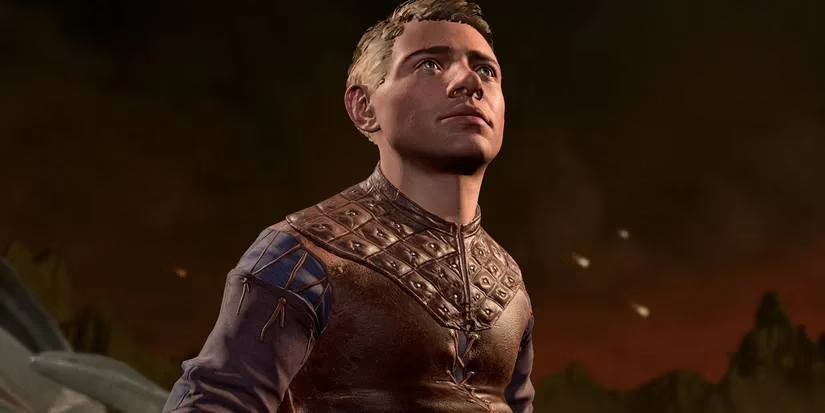
Now, Halflings are a whole different kettle of fish. They don't have a ton of unique dialogue, but what they do have is packed with personality. Their interactions are either about loving food, partying or trying their best to make peace in that signature friendly Halfling way. My absolute favorite moment was during the "Investigate the Temple Murders" quest. If you've discovered the clue about a dwarf in red being the culprit, you can confront Dashkent Moliver in Fraygo's Flophouse. Doing this as a Halfling yourself is an absolute riot—he's completely flabbergasted that you couldn't recognize one of your own kin. It's these little, hilarious moments that make playing a Halfling a real joy.
Elves and Half-Elves occupy a curious middle ground. There's surprisingly not an awful number of unique interactions when it comes to Elves, but they do carry a distinct, often arrogant, personality. You'll get comments about your fey ancestry or long lifespan. Half-Elves get a bit more nuance, with characters occasionally commenting on your mixed heritage. You'll still get access to a lot of elf-specific dialogue, especially with high or wood elf parentage. However, the half-drow subrace can be a bit of a letdown. When playing as a half-drow, you'll receive a lot of flak from characters who assume you to be a regular drow, but you miss out on key drow privileges, like walking unscathed through the goblin camp. It's like getting the prejudice without the power—totally not cool.
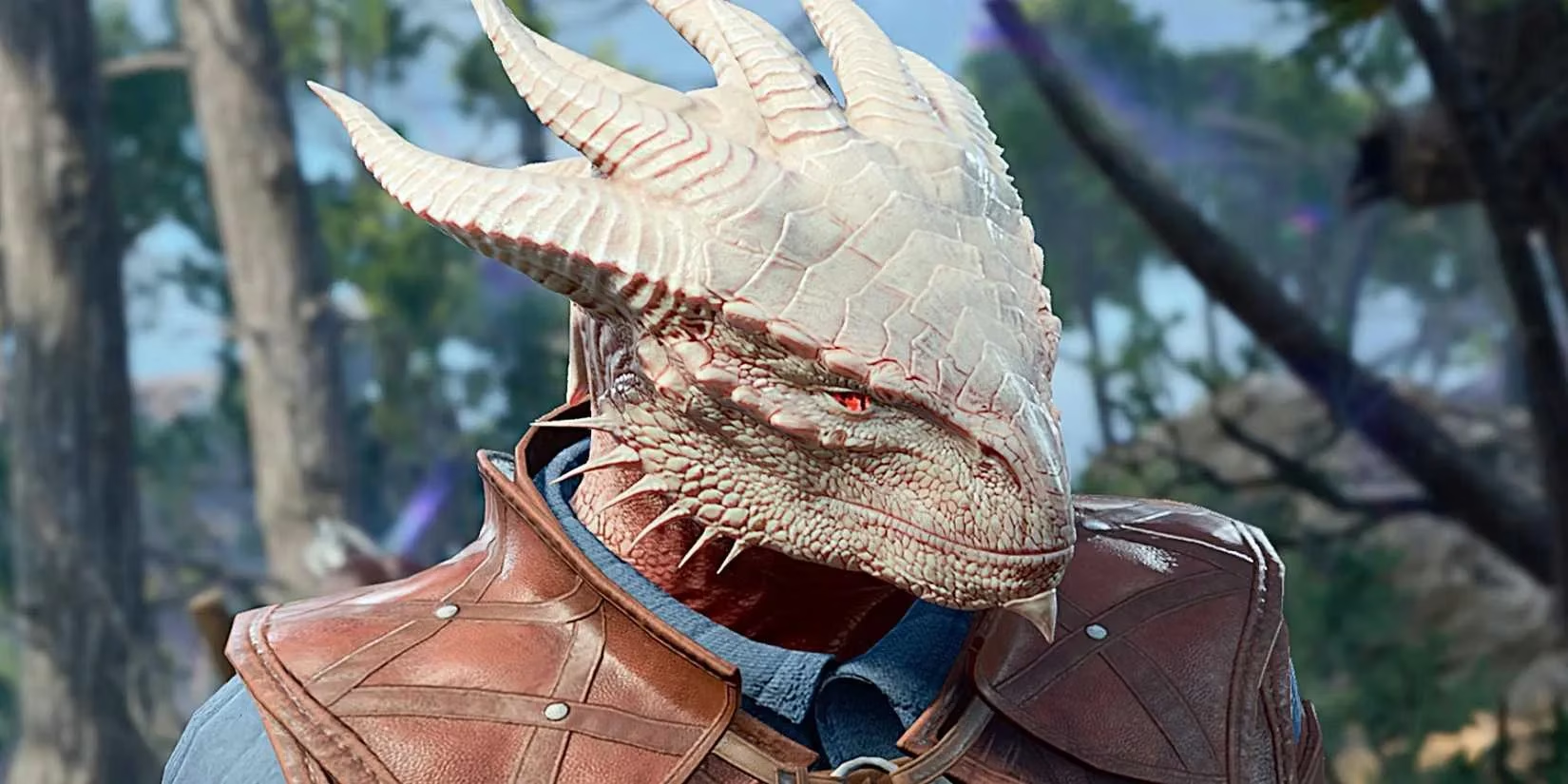
For those who want to make a striking impression, Dragonborn are a fantastic pick. Dragonborn get a fair number of unique interactions. You'll have conversations with NPCs who have never seen your kind before, which creates a cool, exotic vibe without being as alien as the Githyanki. Plus, there's a sweet romantic bonus: Lae'zel also has some extra dialogue if you choose to romance her as a dragonborn. It's a great choice for players who want to feel unique and powerful.
Let's talk about the sturdy folk. Dwarves have a few unique moments, particularly if you're playing as a duergar. The duergar subrace absolutely shines in the Underdark, with dialogue that's often cruel and sadistic—perfect for an evil playthrough or a Dark Urge character. The other subraces are more standard, but duergar offer a uniquely sinister flavor.
Half-Orcs present a fascinating roleplay dilemma. Half-Orc characters have a lot of potential for role-playing concepts. I love playing them as gentle giants, but immersion can be tricky. Here's the rub: None of the custom character voices really fit the stereotypical tone that an orc or half-orc would carry. If you're not looking to subvert expectations, this can be frustrating, especially since most of their race-specific dialogue revolves around intimidation. Pro tip: if you want that classic orcish vibe, consider taking a few levels in Barbarian to get the appropriate voice lines and attitude.
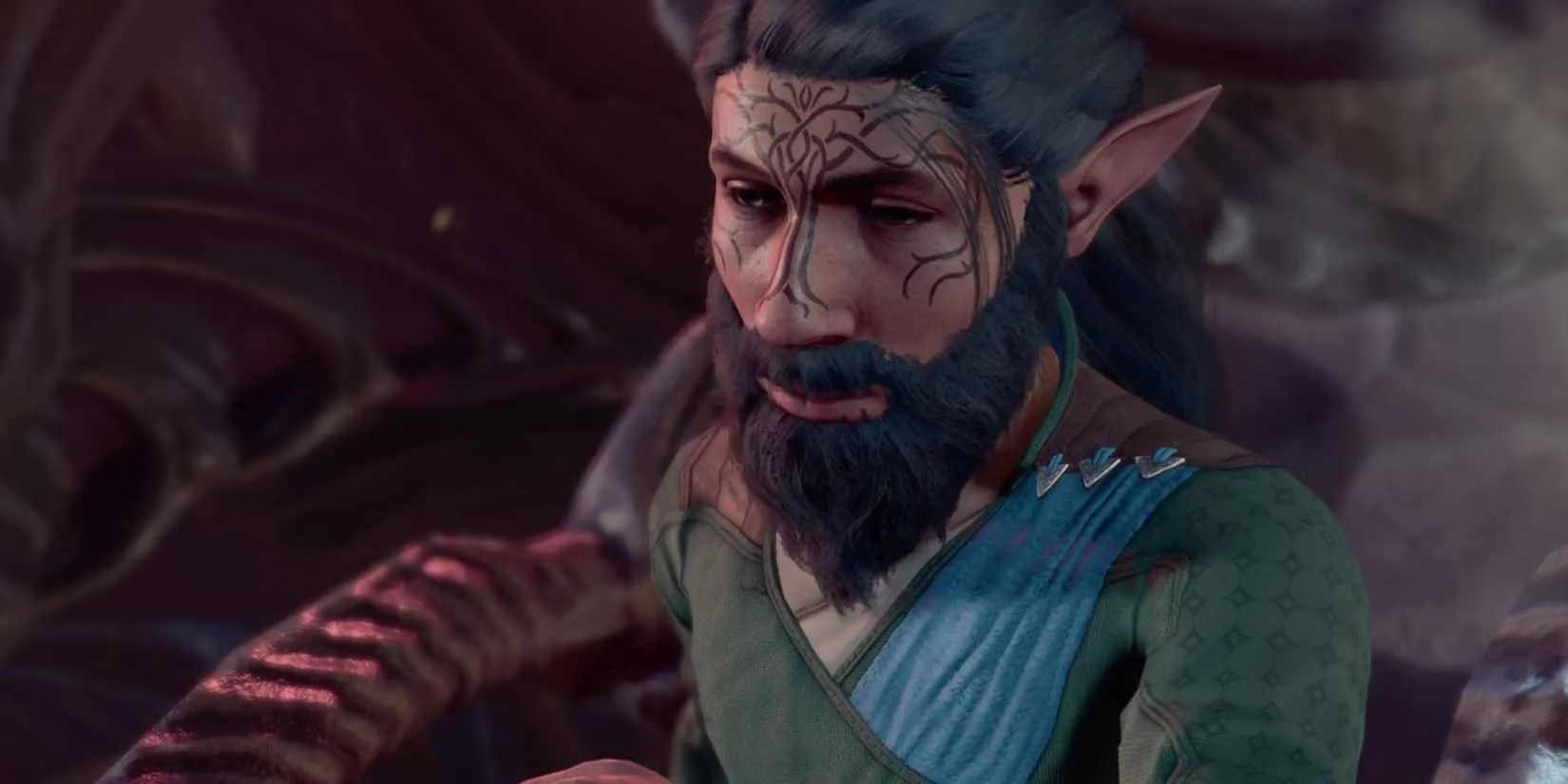
Gnomes are an interesting case. Gnomes are quite underwhelming in the later game of Baldur's Gate 3, but Act One is where they truly come alive. Their interactions with the goblins are particularly memorable, even if it's just constant threats. It definitely gives you a more personal reason to clear out the goblin camp. It's also fun to play as a gnome when interacting with Astarion, as he never misses a chance to throw shade their way. Outside of dialogue, they're mechanically solid. Their 'Gnome Cunning' racial trait is a lifesaver for passing crucial saving throws.
Now, for the races that truly bring the drama. Tieflings have always been a fan favorite, and for good reason. You get lots of unique dialogue within the grove, and can add some extra commentary when dealing with devils like Raphael and Mizora. This race is an S-tier choice for an Astarion romance, as a Tiefling Tav can read the Infernal script on his back, saving him from a nasty deal with Raphael. It's a small moment that feels incredibly significant.
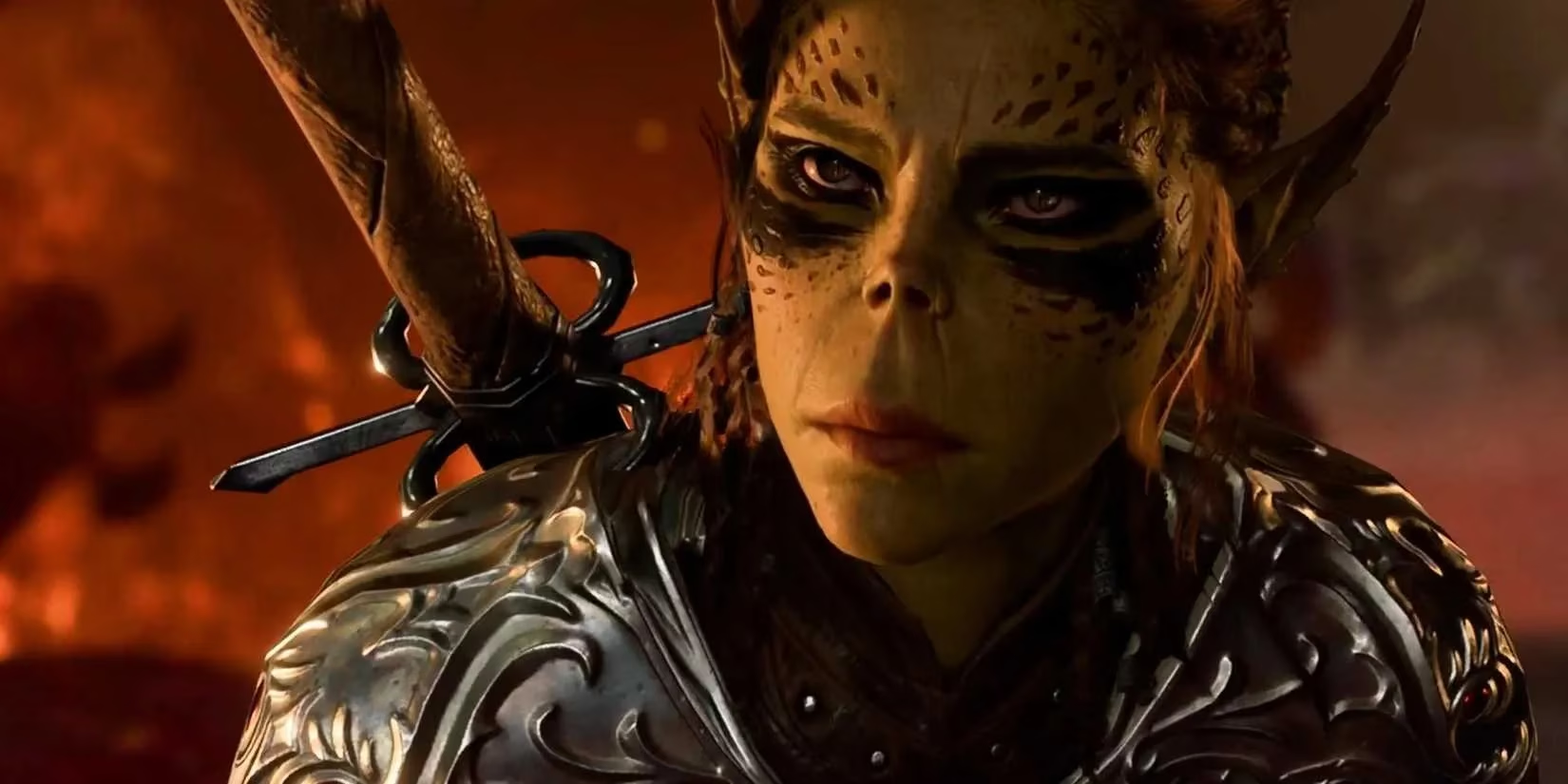
Finally, we have the Githyanki, arguably the race with the most unique content. Larian's inclusion of this race was a masterstroke. There are several moments where a githyanki character can provide an interesting perspective on a conversation, offering a truly alien viewpoint. However, there’s one place where playing as a Githyanki falls short. Unless Lae'zel is your protagonist, she often overshadows you. The game treats her as the definitive Githyanki, and she'll explain things your character should already know, which can be immersion-breaking. This can work if you roleplay as a gith outcast, but it slightly undermines the appeal. On the bright side, Lae'zel does seem to benefit from having another githyanki in the party and will warm up to you faster.
Summary Table: Race Reactivity at a Glance
| Race | Key Strength | Primary Weakness | Best For |
|---|---|---|---|
| Human | Familiar, flexible | Minimal unique reactivity | First-time players, self-inserts |
| Halfling | Charming, humorous dialogue | Limited quantity of interactions | Light-hearted, comedic runs |
| Elf/Half-Elf | Distinct aristocratic personality | Surprisingly few unique moments | Players wanting a classic fantasy feel |
| Dragonborn | Exotic, striking presence; romance bonuses | Few fellow Dragonborn to meet | Players wanting to feel unique and powerful |
| Dwarf (Duergar) | Excellent evil-aligned dialogue in Underdark | Other subraces are less reactive | Evil/Dark Urge campaigns |
| Half-Orc | Great for intimidation & concept | Voice options don't match the stereotype | Roleplaying gentle giants or brutes |
| Gnome | Strong Act One reactivity, great racial trait | Fades in later acts | Early-game immersion, skill-check builds |
| Tiefling | Tons of story integration, devil interactions | Can attract unwanted prejudice | Dramatic stories, Astarion romance |
| Githyanki | Most unique perspective and dialogue | Often overshadowed by companion Lae'zel | Experienced players wanting a totally alien experience |
Ultimately, the 'best' race is the one that fits your desired story. Want deep, integrated lore? Go Githyanki or Tiefling. Want a fun, personal vendetta? Try a Gnome. Looking for pure, unadulterated power fantasy? Dragonborn has you covered. In the end, it's all about finding the race that makes you say, 'Hell yeah, this is my story.' Happy adventuring in 2026!
As you embark on your next role-playing adventure, remember that choosing the right character race is just the beginning of a thrilling journey. Whether you’re delving into the deep lore of a Tiefling or exploring the unique perspectives of a Githyanki, the choices you make will shape your narrative in profound ways. Crafting a character that resonates with your playstyle and narrative preferences is key to unlocking the game's full potential.
For those seeking further inspiration or tools to enhance their gaming experiences, exploring resources like Lootbar can be invaluable. This website offers a wealth of information for gamers looking to optimize their strategies, discover new game mechanics, or simply connect with a community of like-minded adventurers. Dive into Lootbar to add another dimension to your gaming explorations and ensure your next campaign is unforgettable.